


Language

Voorbij een redelijke twijfel


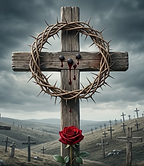


Claiming he is God
Search Results
Doorzoek deze website
100 resultaten gevonden met een lege zoekopdracht
- Salvation: Faith and Works | Answers 4 Saints
Faith is believing that everything God said is true, committing to follow what it says, and then doing what the Word says. Salvation False Savation Grace Repentance Can we lose your Salvation Hebrews 10:26-31 26 If we deliberately keep on sinning after we have received the knowledge of the truth, no sacrifice for sins is left, 27 but only a fearful expectation of judgment and of raging fire that will consume the enemies of God. 28 Anyone who rejected the law of Moses died without mercy on the testimony of two or three witnesses. 29 How much more severely do you think someone deserves to be punished who has trampled the Son of God underfoot, who has treated as an unholy thing the blood of the covenant that sanctified them, and who has insulted the Spirit of grace? 30 For we know him who said, “It is mine to avenge; I will repay,”[a ] and again, “The Lord will judge his people.”[b ] 31 It is a dreadful thing to fall into the hands of the living God. For it is by grace [God’s remarkable compassion and favor drawing you to Christ] that you have been saved [actually delivered from judgment and given eternal life] through faith. And this [salvation] is not of yourselves [not through your own effort], but it is the [undeserved, gracious] gift of God; What are the 16 steps to salvation? Hear the Gospel. (Matthew 4:17John 8:32) Believe the Gospel (Hebrews 11:6, John 20:31) Repent of past sins (Luke 13:3, Acts 17:30) Confess faith in Jesus Christ (Romans 10:10, Matthew 10:32) Be Baptized (Galatians 3:27, Mark 16:16, Acts 2:38) Be faithful unto death (Revelation 2:10) For all who obey him eternal salvation Hebrews 5:9 Whoever claims to live in him must live as Jesus did.1 John 2:6 But don't just listen to God's word. You must do what it says. Otherwise, you are only fooling yourselves. James 1:2 And if anyone does not have the Spirit of Christ, they do not belong to Christ. Romans 8:1 We are witnesses of these things and so is the Holy Spirit, who is given by God to those who obey him.” Acts 5:32 “whoever calls on the name of the LORD shall be saved.Romans 10:13-15 For But if thou wouldest enter into life, keep the commandments. Matthew 19:16-26 That whosoever believeth in him should not perish, but have eternal life…John 3:15,16 For we live by faith, not by sight. (Hebrews 11:6) And without faith it is impossible to please God because anyone who comes to him must believe that he exists and that he rewards those who earnestly seek him.2 Corinthians 5:7 And anyone who believes in God’s Son has eternal life. Anyone who doesn’t obey the Son will never experience eternal life but remains under God’s angry judgment.” John 3: Jesus replied, “Very truly I tell you, no one can see the kingdom of God unless they are born again.”John 3:3 So you see, faith by itself isn’t enough. Unless it produces good deeds, it is dead and useless. James 2:17-23 Faith is Scripturally defined as: Faith is: believing that everything God said is true, committing to follow what it says, and then doing what the Word says. In other words, believing/trusting, committing to obey or do, and then the action of obeying/doing it. Another way we say it is that faith is believing, committing, and trusting in God and His Word. All of mankind is “under the law” (The law of sin and death) until they come into covenant through faith in the Messiah and receive salvation by grace through that faith. God’s Children through Faith 23 Before the way of faith in Christ was available to us, we were placed under guard by the law. We were kept in protective custody, so to speak until the way of faith was revealed. 24 Let me put it another way. The law was our guardian until Christ came; it protected us until we could be made right with God through faith. 25 And now that the way of faith has come, we no longer need the law as our guardian. 26 For you are all children of God through faith in Christ Jesus. 27 And all who have been united with Christ in baptism have put on Christ, like putting on new clothes’ 28There is no longer Jew or Gentile slave or free, male and female. For you are all one in Christ Jesus. 29 And now that you belong to Christ, you are the true children of Abraham. You are his heirs, and God’s promise to Abraham belongs to you. The way for us to be saved is to believe that we have sinned and deserve death because the Word says so. John 3:3 Jesus replied, "I tell you the truth, unless you are born again, you cannot see the Kingdom of Yehovah." Acts 2:38 Peter replied, "Each of you must repent of your sins and turn to Yehovah and be baptized in the name of Yeshua Messiah for the forgiveness of your sins. Then you will receive the gift of the Holy Spirit. Proverbs 28:9 He that turned away his ear from hearing the law, even his prayer shall be an abomination. Ecclesiastes 12:13 That's the whole story. Here now is my conclusion: Fear Yehovah and obey His commands, for this is everyone's duty. Galatians 3:28 T here is no longer Jew or Gentile, slave or free, male and female. For you are all one in Christ Yeshua. James 1:22 But don't just listen to Yehovah’s word. You must do what it says. Otherwise, you are only fooling yourselves. “Then Yehovah said to me, shout the message! Don't hold back. Say to my people Israel: You've sinned! You've turned against Yehovah your Elohim. Isaiah 58:1 "When you tell them all this, do not expect them to listen. Shout out your warnings but do not expect them to respond. Say to them, ‘This is the nation whose people will not obey the Lord their God and who refuse to be taught. (Jeremiah 7:27) (This is a Child of the Devil) For God is Spirit, so those who worship him must worship in spirit and in truth. “John 4:24 Present your bodies as a living sacrifice, holy and acceptable to God, which is your spiritual worship. Romans 12:1-2 Truth is God’s Torah You must be led by the Spirit Gal 5:18 This text brings the entire purpose of the Covenant into absolute, razor-sharp focus. It dismantles the false doctrine that "faith" is merely an emotional sentiment or a mental nod. Scripturally, faith is a three-part substance: Believing, Committing, and Doing. When Galatians speaks of being delivered from the "guardian" of the law, it means that before faith, we were prisoners locked in protective custody under the law of sin and death because we had no power to overcome the flesh. But through faith, we are born again, receive the Holy Spirit, and are finally given the supernatural capability to do what the Word says. 📋 The "Faith, Covenant, and Action" Summary Test Instructions: Answer these final 4 structural questions to see if your definition of faith aligns with the unchanging Word of Yehovah. Question 1: The Three-Part Definition of Faith Based on the scriptural definition provided, true biblical faith cannot be cut into pieces. It must include all three parts of the engine. How is your faith operating? A) Believing, Committing, and Doing. You believe everything God said is true, you have committed your life to follow it, and you are actively doing the physical requirements of His Word (the Torah). B) Mental Belief Only. You claim to "trust" or "believe" in Jesus, but your walk lacks the physical action of keeping His commandments, meaning you are only listening to the word and fooling yourself (James 1:22). Question 2: The Role of the Guardian (Galatians 3) Before the way of faith was revealed, humanity was locked under guard by the law because of our sin. Now that you have come into covenant through the Messiah, what is your relationship to the Father's instructions? A) Clothed in Christ to Walk in Truth. You are a child of God and an heir to Abraham (Galatians 3:29). Because you are led by the Spirit, you are no longer a condemned prisoner under the law of sin and death; instead, you present your body as a living sacrifice to worship Him in Spirit and in Truth (His Torah) (Romans 12:1-2). B) Living Carelessly Under the Guise of "Freedom." You use the phrase "no longer under the law" as an excuse to ignore the Father's statutes, missing the point that Christ came to deliver us from sin, not to give us permission to commit it. Question 3: The Abomination of the Closed Ear In Proverbs 28:9, the Sovereign issues a stark warning about the spiritual mechanics of prayer: "He that turned away his ear from hearing the law, even his prayer shall be an abomination." When you approach the Father in prayer, what is the state of your ear? A) Unstopped and Submissive. You open your ears to His written laws first, adjusting your lifestyle, food, and calendar to match His voice, so that your prayers are acceptable in His sight. B) Deaf to the Torah . You willfully plug your ears to the specific laws of the Old Testament, yet you expect God to hear, answer, and bless your prayers in a state of continuous disobedience. Question 4: The Watchman's Shout (Isaiah 58 & Jeremiah 7) The Father commanded His watchmen: "Shout the message! Don't hold back... Say to my people: You've sinned!" Yet He warned in Jeremiah that the people would not listen or respond. When the hard, straight truth of the Scriptures confronts your current lifestyle, which nation do you align with? A) The Repentant Remnant. You hear the warning, accept the correction, undergo the baptism of repentance (Acts 2:38), and recognize that your ultimate duty on this earth is to fear Yehovah and obey His commands (Ecclesiastes 12:13). B) The Nation That Refuses to Be Taught . You hear the shout of the warning, but you harden your neck, refuse to respond, and continue following human traditions, matching the exact description of the children of disobedience. 🛑 The Final Diagnostic Verdict Scripture leaves zero room for neutrality. "For God is Spirit, so those who worship him must worship in spirit and in truth." (John 4:24) If your lifestyle consistently hits the B markers, the diagnosis is absolute: you are operating in a counterfeit faith that the Bible defines as dead. A faith that refuses to submit to the Torah is a faith that has never been born again. The sifting is complete, the standard has been laid down, and the tests are done. Do not fool yourself any longer with empty words or the smooth traditions of men. Let the seed of the Word take root in good soil, present your body as a living sacrifice, and start physically doing what the King commanded while there is still time to cross the border into His Kingdom! Believe without obedience What is God's definition of a Christian? Rev 22:14 Blessed are those who do His commandments, that they may have the right to the tree of life, and may enter through the gates into the city. What is Yeshua definition of a Christian Matthew 19:17“Why ask me about what is good?” Jesus replied. “There is only One who is good. But to answer your question—if you want to receive eternal life, keep the commandments.” 1 John 2: 3 And we can be sure that we know him if we obey his commandments. 4 If someone claims, “I know God,” but doesn’t obey God’s commandments, that person is a liar and is not living in the truth. 5 But those who obey God’s word truly show how completely they love him. That is how we know we are living in him. 6 Those who say they live in God should live their lives as Jesus did. Heb 5:9 And having been perfected, He became the author of eternal salvation to all who obey Him, ESV And we are witnesses to these things, and so is the Holy Spirit, whom God has given to those who obey him .” Acts 5:32 For this is the covenant that I will make with the house of Israel after those days, declares the Lord: I will put my laws into their minds, and write them on their hearts, and I will be their God, and they shall be my people. Why did Jesus have to die for you? If you don't know why Christ had to die for you, What is sin? 4 Everyone who makes a practice of sinning also practices lawlessness; sin is lawlessness you are not saved and never converted. What are the end results of being let by the Spirit? It is obedience to the law of God Revelation 12:17 7 And the dragon was wroth with the woman and went to make war with the remnant of her seed, which keeps the commandments of God and have the testimony of Jesus Christ. Children of God …7 Little children, let no one deceive you: The one who practices righteousness is righteous, just as Christ is righteous. 8 The one who practices sin is of the devil because the devil has been sinning from the very start. This is why the Son of God was revealed, to destroy the works of the devil. 9 Anyone born of God refuses to practice sin, because God’s seed abides in him; he cannot go on sinning, because he has been born of God.… If ye love me, keep my commandments. John 14:15 If ye keep my commandments, ye shall abide in my love; even as I have kept my Father's commandments, and abide in his love. John 15:10 Bible Verses About Family I made haste, and delayed not to keep thy commandments. Psalm 119:60 Therefore shall ye keep my commandments, and do them: I am the Lord. Leviticus 22:31 And he declared unto you his covenant, which he commanded you to perform, even ten commandments; and he wrote them upon two tables of stone. Deuteronomy 4:13 The wise in heart will receive commandments: but a prating fool shall fall. Proverbs 10:8 With my whole heart have I sought thee: O let me not wander from thy commandments. Psalm 119:10 Let us hear the conclusion of the whole matter: Fear God, and keep his commandments: for this is the whole duty of man. Ecclesiastes 12:13 Therefore thou shalt keep the commandments of the Lord thy God, to walk in his ways, and to fear him. Deuteronomy 8:6 Praise ye the Lord. Blessed is the man that feareth the Lord, that delighted greatly in his commandments. Psalm 112:1 And he that keepeth his commandments dwelleth in him, and he in him. And hereby we know that he abideth in us, by the Spirit which he hath given us. 1 John 3:24 And he was there with the Lord forty days and forty nights; he did neither eat bread, nor drink water. And he wrote upon the tables the words of the covenant, the ten commandments. Exodus 34:28 Ye shall diligently keep the commandments of the Lord your God, and his testimonies, and his statutes, which he hath commanded thee. Deuteronomy 6:17 He that hath my commandments, and keepeth them, he it is that loveth me: and he that loveth me shall be loved of my Father, and I will love him, and will manifest myself to him. John 14:21 Know therefore that the Lord thy God, he is God, the faithful God, which keepeth covenant and mercy with them that love him and keep his commandments to a thousand generations. Deuteronomy 7:9 r Ye shall walk after the Lord your God, and fear him, and keep his commandments, and obey his voice, and ye shall serve him, and cleave unto him. Deuteronomy 13:4 He that keepeth the commandment keepeth his own soul; but he that despiseth his ways shall die. Proverbs 19:16 Ye shall not add unto the word which I command you, neither shall ye diminish ought from it, that ye may keep the commandments of the Lord your God which I command you. Deuteronomy 4:2 For this, Thou shalt not commit adultery, Thou shalt not kill, Thou shalt not steal, Thou shalt not bear false witness, Thou shalt not covet; and if there be any other commandment, it is briefly comprehended in this saying, namely, Thou shalt love thy neighbour as thyself. Romans 13:9 My son, forget not my law; but let thine heart keep my commandments: For length of days, and long life, and peace, shall they add to thee. cause the Ever-Faithful One lives in us.
- False Prophets and Good Fruit | Answers 4 Saints
How Scripture says to spot a false prophet: Deuteronomy 13, Ezekiel 22:26 and the tree known by its fruit (Matthew 7:15-20). False Prophet False Salvation Valse Profeet Iedereen die anderen wegleidt van gehoorzaamheid aan Gods geboden, is een valse profeet. Deuteronomium 13 Test In Ezechiël beschrijft Jehova hoe dominees Zijn wetten geweld aandoen. Ezechiël 22:26 "Haar priesters (uw herders) hebben Mijn wet geweld aangedaan en Mijn heilige dingen ontheiligd; zij hebben geen onderscheid gemaakt tussen het heilige en het profane, en zij hebben het verschil tussen het onreine en het reine niet geleerd; en zij verbergen hun ogen voor Mijn sabbatten, en ik ben onder hen ontheiligd. 27 "Haar vorsten in haar zijn als wolven die de prooi verscheuren, door bloed te vergieten en levens te vernietigen om oneerlijke winst te behalen... God zegt: Iedereen die uit God geboren is, weigert de zonde te beoefenen, omdat Gods zaad in hem blijft; hij kan niet doorgaan met zondigen, want hij is uit God geboren. 10 Hierin kunnen de kinderen van God en de kinderen van de duivel worden onderscheiden: wie geen gerechtigheid doet, is niet uit God, evenmin als iemand die zijn broeder niet liefheeft.11 Dit is de boodschap die u vanaf het begin hebt gehoord: We zouden van elkaar moeten houden. (Zonde is overtreding van de wet) Yeshua gebruikt de analogie van fruit en bomen om valse profeten te identificeren. De vrucht is het begrip van het Woord van God, zoals blijkt uit de resultaten van een leven dat het Woord van God nauwkeurig heeft begrepen en toegepast. Mattheüs 12:33 “Of maak de boom goed en zijn vrucht goed, of maak de boom slecht en zijn vrucht slecht, want de boom is te herkennen aan zijn vrucht. Wat betreft wat in goede aarde is gezaaid, dit is degene die het woord hoort en begrijpt. De boom is de persoon, de vrucht is de resulterende kwaliteit van leven (niet het begrip van het Woord van God, maar de juiste toepassing ervan). Er zijn er velen die het begrijpen en niet toepassen en daarom geen goede vruchten voortbrengen) - de persoon staat bekend aan zijn vruchten of het ontbreken daarvan. Merk op dat het definieert wat er in de grond werd gezaaid om de goede boom voort te brengen - hoort, begrijpt en produceert goede vruchten zoals het al was gedefinieerd als een goede boom. De oprechte toepassing van het Woord van God, of het doen van het Woord van God, zal de ziel beproeving brengen in fysieke, sociale, economische, psychologische en emotionele uitdagingen... of lijden ter wille van het koninkrijk. Mattheüs 7:18 Een goede boom kan geen slechte vruchten voortbrengen, en een slechte boom kan geen goede vruchten voortbrengen. Dus, hoe kwalificeren of diskwalificeren we fruit waar Yeshua het over heeft? Iemand die echter een hart heeft dat ervoor kiest om Gods wet te negeren, heeft GEEN WENS om Gods wet te volgen. Mattheüs 7:20 Zo zul je ze aan hun vruchten herkennen Mat. 7:15 “Pas op voor valse profeten. Ze komen naar je toe in schaapskleren, maar van binnen zijn het woeste wolven Vers 16 “Aan hun vruchten herken je ze. Plukt men druiven van doornstruiken of vijgen van distels? “ Mattheüs 7:17 "Evenzo draagt elke goede boom goede vruchten, maar een slechte boom draagt slechte vruchten." Mattheüs 7:18... "Een goede boom kan geen slechte vruchten voortbrengen, en een slechte boom kan geen goede vruchten voortbrengen." ” Dit laat ons weten wat er in het hart van al Zijn volk zou moeten zijn. En ALS... het in ons hart zit, dan ZAL HET onze wens zijn om na te streven. En als het NIET in iemands hart zit, zal het blijken uit hun verlangen om het NIET na te streven. U wenst het te gehoorzamen OF u wenst het te negeren. Ze KUNNEN NIET gemengd worden. Het lijkt moeilijk om een oordeel te vellen over je voorganger als een valse profeet als je levensstijl dezelfde is als die van hen. De vrucht waar we op moeten letten is de keuze om Gods wet te negeren. Al het andere kan vermengd worden, maar er is geen vermenging van het verlangen om te gehoorzamen en het verlangen om Gods Wet te negeren. Het is het een of het ander in de ogen van de Vader. En vergeet niet dat het overtreden van één wet hetzelfde is als het overtreden van de hele wet. Spreuken 15:13 De rechtvaardigen haten het valse, maar de goddelozen maken zich stinkend en schamen zich. Spreuken 14:11 Het huis van de goddelozen zal worden vernietigd, maar de tent van de oprechten zal bloeien. 12 Er is een weg die iemand recht lijkt, maar het einde ervan is de dood. 1 Johannes 3:5 Iedereen die uit God geboren is, weigert de zonde te beoefenen (zonde is overtreding van de wet). 1 Johannes 3:9 Omdat Gods zaad in hem blijft; hij kan niet doorgaan met zondigen, want hij is uit God geboren. 10 (Hierdoor kunnen de kinderen van God en de kinderen van de duivel worden onderscheiden:) Wie geen gerechtigheid doet, is niet uit God, evenmin als iemand die zijn broeder niet liefheeft. 11 Dit is de boodschap die u vanaf het begin hebt gehoord: we moeten elkaar liefhebben. De volgende verzen zouden moeten bevestigen voor personen die het woord van Jehova uitdagen met uit hun verband gerukte verzen. Of degenen die uitspraken doen die suggereren dat Jehova op de een of andere manier Israël straft en de kerk zegent. In wezen zeggen dat er verschillende regels zijn voor verschillende groepen. Jesaja 53:6 Wij allen zijn als schapen afgedwaald, ieder van ons heeft zich tot zijn eigen gekeerd manier; Maar de Jehova heeft ervoor gezorgd dat de ongerechtigheid van ons allemaal op Hem is gevallen....Jesjoea. ● Numeri 23:19 "God is geen mens, dat Hij zou liegen, noch een mensenzoon, dat Hij zich zou bekeren; Heeft Hij gezegd, en zal Hij het niet doen? Of heeft Hij gesproken, en zal Hij het niet maken Goed. 1 Korintiërs 3:3 Want God is niet de auteur van verwarring, maar van vrede, zoals in alle kerken van de heiligen. 1 Johannes 3:4 Wie zegt: Ik ken hem, en zijn geboden niet onderhoudt, is een leugenaar en de waarheid is niet in hem. Johannes 1:14 En het Woord is vlees geworden en heeft onder ons gewoond (en wij hebben zijn heerlijkheid aanschouwd, een heerlijkheid als van de Eniggeborene van de Vader), vol van genade en waarheid. ● Prediker 12:14 Laten we luisteren naar de conclusie van de hele zaak: vrees God en onderhoud zijn geboden: want dit is de hele plicht van de mens. Spreuken 28:9 Wie zijn oor afwendt van het luisteren naar de wet, zelfs zijn gebed is een gruwel. 10 Hij die de oprechten op een slechte weg laat dwalen, zal zelf in zijn eigen put vallen, maar de onberispelijke zal het goede erven.... ● Spreuken 2:1 Mijn zoon, als je mijn woorden aanneemt en mijn geboden in je binnenste bewaart; 2 Richt uw oor op wijsheid, neig uw hart tot inzicht; 3 Want als je roept om inzicht, verhef dan je stem om begrip; … 2 Petrus 3: 6 Zo schrijft hij in al zijn brieven en spreekt daarin over zulke zaken. Sommige delen van zijn brieven zijn moeilijk te begrijpen, die onwetende en onstandvastige mensen verdraaien, net als de rest van de Schrift, tot hun eigen vernietiging. 17 Daarom, geliefden, aangezien u deze dingen al weet, moet u op uw hoede zijn om u niet te laten meeslepen door de dwaling van de wettelozen en uit uw veilige positie te vallen. 1 Johannes 3:4 Iedereen die zonde beoefent, beoefent ook wetteloosheid. Inderdaad, zonde is wetteloosheid. Galaten 3:10 Want zovelen als er uit de werken der wet zijn, die zijn onder de vloek; want er staat geschreven: “Vervloekt is een ieder die niet blijft in alles wat geschreven staat in het boek van de wet, om dat te doen. “Maar dat niemand door de wet gerechtvaardigd wordt de aanblik van God is duidelijk, want “de rechtvaardige zal uit geloof leven. “Toch is de wet niet uit het geloof, maar “de man die ze doet, zal daardoor leven.” Yeshua heeft ons verlost van de vloek van de wet, een vloek voor ons geworden (want er staat geschreven: "Vervloekt is een ieder die aan een boom hangt"), opdat de zegen van Abraham over de heidenen zou komen in Yeshua, dat wij door geloof de belofte van de Geest zou kunnen ontvangen.
- The Lord's Prayer, Line by Line | Answers 4 Saints
The Lord's Prayer step by step (Matthew 6:9-13): family, His name, His kingdom, daily bread, forgiveness and temptation. Answers 4 Saints. Het HERES-gebed God verafschuwt de gebeden van iemand die de wet negeert. Spreuken 28:9 Yeshua zei: "Dit is hoe je moet bidden: “Als je bidt, praat dan niet maar door en door zoals de heidenen doen. Ze denken dat hun gebeden worden verhoord door hun woorden keer op keer te herhalen. Mattheüs 6:7 Onze Vader in de hemel, 5 God heeft van tevoren besloten om ons in zijn eigen familie op te nemen door ons tot Zich te brengen door Yeshua messias. Dit is wat hij wilde doen, en het deed hem veel plezier. Ephesians 1:5 28 Er is geen Jood of heiden, geen slaaf of vrije, noch man of vrouw, want u bent allen één in Christus Yeshua. Galaten 3:28 7 Lieve kinderen, laat u door niemand op een dwaalspoor brengen. Degene die doet wat juist is, is rechtvaardig, net zoals hij rechtvaardig is. 8 Wie zondig doet, is van de duivel, want de duivel heeft vanaf het begin gezondigd. De reden dat de Zoon van God verscheen, was om het werk van de duivel te vernietigen. 9 Niemand die uit God geboren is, zal blijven zondigen, want Gods zaad blijft in hem; ze kunnen niet doorgaan met zondigen, omdat ze uit God geboren zijn. 10 Zo weten we wie de kinderen van God zijn en wie de kinderen van de duivel zijn: wie niet doet wat goed is, is geen kind van God, evenmin als iemand die zijn broer en zus niet liefheeft.1Johannes3: Uw naam is geheiligd. Exodus 20:7 “Gij zult de naam van de Here, uw God, niet misbruiken, want de HERE zal niemand onschuldig houden die zijn naam misbruikt. Wie is er opgestegen naar de hemel en neergedaald? Wie heeft de wind in Zijn vuisten verzameld? Wie heeft de wateren in Zijn kleed gewikkeld? Wie heeft alle einden van de aarde gevestigd? Wat is Zijn naam of de naam van Zijn Zoon? Je weet het vast wel. Spreuken 30:4 10 Uw koninkrijk kome. Velen zouden geschokt zijn als ze ontdekken dat de Bijbel het evangelie anders definieert dan wat hun altijd is verteld. Een grondige lezing laat zien dat het aanvaarden van Christus' bloed als betaling voor onze zonden - hoe fundamenteel belangrijk het ook is - eigenlijk niet de focus is van het "goede nieuws" dat Hij bracht en dat de apostelen bleven prediken. Naast het sterven voor onze zonden, kwam Jesjoea naar de aarde als een boodschapper van Jehova de Vader: Moge uw Koninkrijk spoedig komen? Moge uw wil gedaan worden op aarde, zoals in de hemel. Mattheüs 6:10 Uw wil geschiede op aarde zoals in de hemel. "Meester, wat is het grootste gebod in de wet?" Jezus antwoordde: “'Heb de Heer, uw God, lief met heel uw hart en met heel uw ziel en met heel uw verstand.'[a] 38 Dit is het eerste en grootste gebod. 39 En de tweede is vergelijkbaar: 'Heb je naaste lief als jezelf.' [b] 40 De hele wet en de profeten hangen aan deze twee geboden." Mattheüs 22:36-40 Geef ons heden ons dagelijks brood. Maar Jezus zei tegen hem: "Nee! De Schriften zeggen: 'Mensen leven niet van brood alleen, maar van elk woord dat uit de mond van God komt.'” Matteüs 4:4 En vergeef ons onze schulden, zoals wij onze schuldenaren vergeven. Toen kwam Petrus naar hem toe en zei: Heer, hoe vaak zal mijn broer tegen mij zondigen en moet ik hem vergeven? tot zeven keer? …Matteüs 18:21-27,34 Want als u de mensen hun overtredingen vergeeft, zal uw hemelse Vader u ook vergeven: …Matteüs 6:14,15 12 zo ver als het oosten is van het westen, zo ver heeft Hij onze overtredingen verwijderd van ons. Psalm 103:12 En leid ons niet in verzoeking, maar verlos ons van de boze. En laat ons niet zwichten voor verleiding maar ons redden van de boze. Lucas 11 Want van U is het koninkrijk en de kracht en de glorie voor altijd. Amen. Mattheüs 6:9-13 Gij zult geen andere goden voor mijn aangezicht hebben. Exodus 20:3-5
- Walk as Yeshua Walked: A 6 Question Test | Answers 4 Saints
1 John 2:6 asks us to walk as He walked. Compare the Sabbath, clean eating, feast days and tassels in His life with yours, then check your score. 613 and 1050 commandments The Way documentaire trailer IS JESUS A CHRISTIAN? Live like Christ did Ons wordt opgedragen om te wandelen zoals Yeshua deed volgens de wet? 1 Johannes 2:6 Wie beweert in hem te leven, moet leven zoals Jezus deed. Jakobus 1:2 Maar luister niet alleen naar Gods woord. Je moet doen wat er staat. Anders hou je alleen jezelf voor de gek. Christus kwam om ons te bevrijden van de vloek van de zonde en de dood. Christus kwam om ons te leren hoe te leven. Christus kwam om ons te leren hoe we God en onze medemens moeten liefhebben. Christus “werd alleen gezonden naar de verloren schapen van Israël. Hij hield zich aan de voedselwetten van Leviticus. Hij hield de sabbat van de zevende dag heilig. Hij hield al Gods feestdagen. Hij hield zich aan al Gods geboden en inzettingen. Hij was volledig ondergedompeld tijdens de doop. Hij droeg kwastjes aan de zoom van zijn kleding. 1 Petrus 2:21 Want u bent hiertoe geroepen, omdat Christus ook voor u heeft geleden en u een voorbeeld heeft nagelaten om in zijn voetsporen te treden. Jakobus 2:17 We kunnen niet beweren dat we geloof hebben in de waarheid van het Woord van God en ons leven er in de praktijk tegen ingaan.: 1 Petrus 2:21 Want u bent hiervoor geroepen, aangezien Christus ook voor u heeft geleden en jij een voorbeeld om in Zijn voetstappen te treden. ● Johannes 14:6 "Ik ben de weg, de waarheid en het leven!" Yeshua antwoordde. "Zonder mij kan niemand naar de Vader gaan. Mattheüs 22:13 Toen zei de koning tegen de dienaren: Bind hem aan handen en voeten en werp hem in de buitenste duisternis. Daar zal geween en tandengeknars zijn.' 14 Want velen zijn geroepen, maar weinigen zijn uitverkoren. Johannes 3:36 En wie in Gods Zoon gelooft, heeft eeuwig leven. Iedereen die de Zoon niet gehoorzaamt, zal nooit het eeuwige leven ervaren, maar blijft onder Gods boze oordeel. 1 Johannes 1:6 Als we beweren gemeenschap met hem te hebben en toch in de duisternis wandelen, liegen we en leven we niet naar de waarheid Wat we doen is het bewijs van wat we intern geloven. Onze acties bepalen voor anderen onze innerlijke overtuigingen. 1 Johannes 2:.3 Hieraan nu weten wij dat wij Hem kennen, als wij Zijn geboden onderhouden. 4 Wie zegt: "Ik ken Hem", en zijn geboden niet onderhoudt, is een leugenaar en de waarheid is niet in hem. 5 Maar wie zijn woord houdt, waarlijk, de liefde van God [a] is in hem volmaakt. Hierdoor weten we dat we in Hem zijn. 6 Hij die zegt dat hij in Hem blijft, behoort zelf ook te wandelen zoals Hij wandelde. ● Johannes 14:23 Yeshua antwoordde: “Iedereen die van mij houdt, zal mijn leer gehoorzamen. Mijn Vader zal van ze houden, en we zullen naar ze toe komen en ons thuis bij ze maken. ● Johannes 14:24 Wie niet van mij houdt, houdt zich niet aan mijn woorden. En het woord dat je hoort is niet van mij, maar van de vaders die mij hebben gestuurd Johannes 10:27 Mijn schapen horen mijn stem, en ik ken ze, en zij volgen mij. Johannes 15:14 Gij zijt mijn vrienden, indien gij doet wat ik u gebied. Mattheüs 16:24 Toen zei Jesjoea tot zijn discipelen: Als iemand achter mij aan wil komen, moet hij zichzelf verloochenen, zijn kruis opnemen en mij volgen. Johannes 15:16 Niet u hebt mij gekozen, maar ik heb u gekozen en u dat gegeven gij moet gaan en vrucht dragen, en [dat] uw vrucht zal blijven: opdat wat gij ook van de Vader vraagt in mijn naam, Hij het u moge geven. Mattheüs 10:22 En gij zult door alle [mensen] gehaat worden ter wille van mijn naam: maar wie volhardt tot het einde, zal behouden worden. Johannes 3:36 Wie in de Zoon gelooft, heeft eeuwig leven; wie de Zoon niet gehoorzaamt, zal het leven niet zien, maar de toorn van God blijft op hem. Hebreeën 10:26-27 Want als we moedwillig blijven zondigen nadat we de kennis van de waarheid hebben ontvangen, blijft er niet langer een offer voor de zonden over, maar een angstige verwachting van het oordeel en een woede van vuur die de tegenstanders zal verteren. ● Johannes 3:3 Yeshua antwoordde en zei tegen hem: “Voorwaar, ik zeg u, tenzij iemand wederom geboren wordt; hij kan het koninkrijk van God niet zien.” In het volgende vers vertelt Jehova ons dat zondigen is om Zijn geboden niet te houden. Hierdoor kunnen de kinderen van God en de kinderen van de duivel worden onderscheiden: Dus volgens de Schrift; wiens kind ben jij? 1 Johannes 3:4 Iedereen die zonde doet, doet wetteloosheid. Inderdaad, zonde is wetteloosheid. 5 Maar u weet dat Christus verscheen om de zonden weg te nemen, en in Hem is geen zonde. 6Niemand die in Hem blijft, blijft zondigen. Niemand die doorgaat (beoefent) met zondigen heeft Hem gezien of gekend. 7 Mijn lieve kinderen, laat u door niemand bedriegen: wie gerechtigheid doet, is rechtvaardig, zoals Christus rechtvaardig is. 8 Degene die zonde beoefent, is van de duivel, omdat de duivel vanaf het allereerste begin heeft gezondigd. Dit is waarom de Zoon van God werd geopenbaard, om de werken van de duivel te vernietigen. 9 Iedereen die uit God geboren is, weigert de zonde te beoefenen, omdat Gods zaad in hem blijft; hij kan niet doorgaan met zondigen, want hij is uit God geboren. 10 Hierin kunnen de kinderen van God en de kinderen van de duivel worden onderscheiden: wie geen gerechtigheid doet, is niet uit God, evenmin als iemand die zijn broeder niet liefheeft. Mattheüs 7:21 Niet iedereen die tegen Mij zegt: 'Heer, Heer' zal het koninkrijk der hemelen binnengaan, maar alleen hij die de wil doet van Mijn Vader in de hemel. 22 Velen zullen op die dag tegen Mij zeggen: 'Heer, Heer, hebben wij niet in uw naam geprofeteerd en in uw naam demonen uitgedreven en vele wonderen verricht?' ; ga weg van Mij, jullie werkers der wetteloosheid. 22 En wat we ook vragen, we ontvangen van Hem, omdat we zijn geboden onderhouden en doen wat in zijn ogen welgevallig is. De populaire christelijke leer over "gerechtigheid door geloof" is dat Gods gerechtigheid wordt "toegerekend" aan degenen die "geloven" in "Yeshua". Met andere woorden, volgens hen is de gerechtigheid die de gelovige heeft een "theoretische" gerechtigheid - je hoeft niet echt op een rechtvaardige manier te leven om door God als "rechtvaardig" gezien te worden. Ze zeggen: "Als God naar je kijkt, ziet hij de gerechtigheid van Christus, omdat je in Christus bent" Johannes maakt het heel duidelijk over degenen die als rechtvaardig worden beschouwd in de ogen van de Almachtige, door deze eenvoudig te begrijpen uitspraak te doen: Johannes 3:19 En dit is de veroordeling, dat het licht in de wereld is gekomen en de mensen de duisternis liever hebben liefgehad dan het licht, omdat hun daden slecht waren. 20 Want een ieder die kwaad doet, haat het licht en komt niet naar het licht, opdat zijn daden niet aan het licht komen. 21 Maar wie de waarheid doet, komt tot het licht, dat zijn daden kunnen duidelijk worden gezien, dat ze in God zijn gedaan.” Het zwaard van het evangelie, geen vrede, maar verdeeldheid Lukas 12:51 Denk je dat ik gekomen ben om vrede op aarde te brengen? Nee, zeg ik je, maar verdeeldheid. 52 Vanaf nu zullen vijf in één huishouden verdeeld zijn, drie tegen twee en twee tegen drie. 53 Ze zullen verdeeld zijn, vader tegen zoon en zoon tegen vader, moeder tegen dochter en dochter tegen moeder, schoonmoeder tegen schoondochter en schoondochter tegen moeder- schoonfamilie." Jakobus 1:2 Maar luister niet alleen naar Gods woord. Je moet doen wat er staat. Anders hou je alleen jezelf voor de gek. Definitie van overtreding; Een bevel of wet overtreden: SIN: een grens of grens overschrijden. Grenzen overschrijden die zijn gesteld of voorgeschreven door: de goddelijke wet overtreden. Dus, dit is uw vraag, beoefent u zonde? Houdt u zich aan de wetten van Jehovah? Dus aan hun vruchten zul je ze herkennen? 1 Johannes 3:7 Mijn lieve kinderen, laat u door niemand misleiden: wie gerechtigheid doet, is rechtvaardig, net zoals Yeshua rechtvaardig is. Makkelijker te begrijpen wordt het niet. Er bestaat geen twijfel over wat de Zoon van de levende God zei of deed. De woorden van Jehova en de daden van Zijn Zoon hebben geen mens nodig om ze te interpreteren.
- The Mark of God | Answers 4 Saints
Answers 4 Saints: the mark of God is a sign of obedience, kept by His faithful through His Sabbath and commandments. Which mark will you receive? The mark of Yehovah God (777)The Mark of God is a sign of obedience between God and His faithful they keep His Sabbath and His commandments The fourth commandment is the only Commandment that contains The seal of God His name, His Title His Territory (666) The Mark of the Beast Is disobedience to God and His laws and they keep Sunday Gods excape plan for His children Seven day Sabbath Seven Spirits of God Seven Bowls of God’s Wrath Seven trumpets Seven Angels With Seven Plagues Seven Spirits of God Which mark will you recieve? A sign of a true Christian is having the testimony of Yeshua and adhering to the commandments. 22 Signs You Are Marked by God God's seal is not a physical mark The forehead represents the mind of those who make a consonance decision to obey God's requirements to receive His seal, which will protect us from the last seven plagues. The Mark of God is a sign of obedience between God and His faithful Thus the Sabbath is the sign of a relationship between God and His people, serving as "a test of their loyalty to Him" Yeshua is the LORD of the Sabbath, not Sunday and they get the Mark of God will escape the plages. We are sealed by the Holy Spirit. Is a characteristic of people who have surrendered their lives to God God's seal is in His laws. Bind up the testimonies and seal the law among my disciples. God's sign is His seal, the words sign and seal are interchangeable in the bible. The Sabbath is God's sign, The Sabbath is the seventh day of the week. The fourth commandment is to remember the Sabbath. There is not one scripture in the entire Bible changing the Sabbath to Sunday. Its a sign of God's authority He chose the day. Luke 11:13 God gives His Spirit only to those who have demonstrated in attitude and behavior that they have repented. Then they must be baptized and obey His commandments. No one who continues to live a lifestyle apart from God's law has received the Spirit of God or has the power of God working in him. 777 Thus the Sabbath is the sign of a relationship between God and His people, serving as "a test of their loyalty to Him" Yeshua is the LORD of the Sabbath These elements are found in the Sabbath commandment. Seventh day God created the heavens and earth and finished His work. Seventh-day, He rested Seventh-day, He sanctified it. Seventh-day, He made it Holy Those who receive God's seal upon their foreheads are "God's commandment-keeping people ." "Here is the patience of the saints: here are they that keep the commandments of God, and the faith of Jesus" (Rev 14:12; Testimonies, 6:15). Who will seal God's children? Revelation 14 And I looked, and, lo, a Lamb stood on the mount Sion, with him a hundred forty and four thousand, having his Father's name written in their foreheads. Here is the patience of the saints: here are they that keep the commandments of God, and the faith of Yeshua. The mark of God is a sign of protection over God's people. Fear God, and keep his commandments; for this is the whole duty of man. Ecclesiastes 12:13-14 1. Ex. 31:13 Speak thou also unto the children of Israel, saying, Verily my sabbaths ye shall keep: for it is a sign between you and me throughout your generations; that ye may know that I am the LORD that doth sanctifies you. Deuteronomy 6:4-94 Hear, O Israel: The Lord our God, the Lord is one. 5 Love the Lord your God with all your heart and with all your soul and with all your strength. 6 These commandments that I give you today are to be on your hearts. 7 Impress them on your children. Talk about them when you sit at home when you walk along the road, when you lie down, and when you get up. 8 Tie them as symbols on your hands and bind them on your foreheads. 9 Write them on the doorframes of your houses and your gates. Exodus 13: -10 6 Seven days thou shalt eat unleavened bread, and in the seventh day shall be a feast to the Lord. 9 And it shall be for a sign unto thee upon thine hand, and for a memorial between thine eyes , that the Lord's law may be in thy mouth: for with a strong hand hath the Lord brought thee out of Egypt.10 Thou shalt therefore keep this ordinance in his season from year to year. And LORD YEHOVAH said to him: “Go through within the city, within Jerusalem, and make a mark on the forehead of the men who groan and are tormented because of all the abominations and the evils that are done within her” What is the seal of the gift of the Holy Spirit? The seal of the Holy Spirit is God's means of protecting the believer. The Holy Spirit is God's seal of protection over the believer's life. Under this sacred seal, no man, demon, or any other thing can wrest the Christian from the secure position he has in Christ Yeshua. The seal represents the certainty that we receive from the Holy Spirit. Despite what our emotions tell us, despite what the lies of the enemy tell us, and despite what our own human reasoning tells us, we know that we belong to God because of the Holy Spirit, the seal of the promise of salvation. “When you heard the word of truth, the gospel of your salvation, and believed in him, were sealed with the promised Holy Spirit. he will guide you into all the truth, my life belongs to Him.” I must turn away from evil. Those who receive God's seal upon their foreheads are "God's commandment-keeping people." If you do the things God hates and refuse to keep His commandments and encourage others to do the same, they, too, will drink the wine of God’s fury, which has been poured full strength into the cup of his wrath. They will be tormented with burning sulfur in the presence of the holy angels and of the Lamb. And the smoke of their torment will rise forever and ever. There will be no rest day or night for those who worship the beast and its image, or for anyone who receives the mark of its name.” NOT THE MARK OF GOD “YEHOVAH”
- Three Days and Three Nights | Answers 4 Saints
From Good Friday to Easter Sunday morning is not three days and three nights. This page checks the timing against what Christ said about the grave. Good Friday Easter Sunday Is Easter Pagan? 3 dagen en 3 dagen nachten 72 uur Jonah Cast Into the Sea and Swallowed …16Then the men feared the LORD greatly, and they offered a sacrifice to the LORD and made vows to Him. 17 Now the LORD had appointed a great fish to swallow Jonah, and Jonah spent three days and three nights in the belly of the fish. How Can Celebrate Easter Anger God? Now that we have just gone through the roots of easter the question remains, “How does celebrating easter anger God?” There is no doubt that the holiday has pagan roots which the LORD detests. Throughout the Old Testament, we see the LORD’s reaction to Israel’s constant falling away into idol worship and pagan practices. We are not much different than the Israelites. Why should we expect a different reaction from Abba? The Word says that God is a jealous God who does not tolerate idolatry. And even if you celebrate Easter with Jesus in mind, God does not receive this! Why? Because it’s a strange fire! Following a holiday with pagan roots , symbols, and meanings and then claiming it in honor of God is an abomination! Here is the clean, definitive Simple Test for identifying whether your home, calendar, and physical habits are in alignment with the Torah of Yehovah, or if you are active in the sin of syncretism—mixing the holy commands of God with the profane traditions of the world. ⚖️ The Simple Test: Sinning Against God (Syncretism Check) Instructions: Answer these 10 direct, binary (Yes/No) questions honestly before the Creator. Question 1: The Origin of the Winter Tree The Scriptural Law: “Do not learn the way of the Gentiles... for one cuts a tree from the forest... They decorate it with silver and gold...” (Jeremiah 10:2-4). The Question: When the winter season arrives, do you bring a decorated evergreen tree into your property, or do you banish this custom because it imitates the historic winter-solstice practices of the nations? [ ] YES (I obey God): You refuse to bring a winter tree into your home, treating the custom as a futile practice rooted in ancient solar idolatry. [ ] NO (I follow tradition): You continue to set up, decorate, or participate around the tree, claiming "it represents Jesus to me." Question 2: The Sunrise Worship Timing The Scriptural Law: “...with their backs toward the temple of the Lord and their faces toward the east, and they were worshiping the sun toward the east.” (Ezekiel 8:16). The Question: Do you participate in traditional "Sunrise Services" on the spring equinox calendar, a practice historically dedicated to the dawn and spring deities of the nations? [ ] YES (I obey God): You reject the custom, recognizing that the Father explicitly calls solar-aligned worship timing an abomination. [ ] NO (I follow tradition): You attend or defend these services because mainstream church culture has assigned a biblical meaning to them. Question 3: The Vocabulary of the Tongue The Scriptural Law: “And make no mention of the name of other gods, nor let it be heard from your mouth.” (Exodus 23:13). The Question: Do you actively scrub the terminology of the nations from your lips when discussing holy things—such as refusing to call the celebration of the Master's resurrection by the name of a Germanic spring goddess (Easter)? [ ] YES (I obey God): You call His days what the Scriptures call them: Pesach (Passover) and Yom HaBikkurim (Firstfruits). [ ] NO (I follow tradition): You continue to use pagan-rooted names for holy realities because it is easier and more socially acceptable. Question 4: The Altar of Your Appetite The Scriptural Law: “Eating swine’s flesh and the abomination and the mouse, shall be consumed together,’ says the Lord.” (Isaiah 66:17). The Question: When you select what to put into your body, does the written Law of Leviticus 11 hold total veto power over your appetite, your cravings, and your social comfort? [ ] YES (I obey God): You strictly observe the dietary boundaries, treating your body as a clean, set-apart living sacrifice (Romans 12:1). [ ] NO (I follow tradition): You consume pork, shellfish, or other unclean things, rationalizing it through modern theology, social convenience, or personal taste. Question 5: The Master of Your Time The Scriptural Law: “Remember the Sabbath day, to keep it holy... the seventh day is the Sabbath of Yehovah your God.” (Exodus 20:8-10). The Question: Do you physically cease from your worldly labor, commerce, and buying/selling on the Seventh-Day Sabbath (sunset Friday to sunset Saturday), or do you follow the Sunday tradition of Rome? [ ] YES (I obey God): You guard the Seventh-Day Sabbath as an eternal covenant sign between you and the Father. [ ] NO (I follow tradition): You treat the Seventh Day like any other day for work, shopping, or entertainment, preferring man's shifting calendar. Question 6: The Direct Instruction Rule The Scriptural Law: “Whatever I command you, be careful to observe it; you shall not add to it nor take away from it.” (Deuteronomy 12:32). The Question: When looking for a way to worship the King, do you stick strictly to the Appointed Times (Moedim) He wrote down, or do you believe human beings have the authority to invent new religious holidays and rituals? [ ] YES (I obey God): You believe the Torah is sufficient and complete; you add no human holidays to His sacred calendar. [ ] NO (I follow tradition): You participate in holidays invented by the state of Rome or modern culture, assuming God accepts whatever we offer. Question 7: Purging Sacred Objects from the Home The Scriptural Law: “You shall burn the carved images of their gods with fire... nor take it for yourself, lest you be snared by it; for it is an abomination to Yehovah your God.” (Deuteronomy 7:25). The Question: Do you systematically inspect your home, decorations, and properties to ensure you are not harboring symbols historically tied to ancient fertility cults, solar wheels, or the occult? [ ] YES (I obey God): You purge your household of any physical item that carries a heritage of false worship or worldly customs. [ ] NO (I follow tradition): You keep these items around as "art," "decorations," or "antiques," ignoring the spiritual snare attached to them. Question 8: The Hearing of the Ear The Scriptural Law: “He that turned away his ear from hearing the law, even his prayer shall be an abomination.” (Proverbs 28:9). The Question: When the hard, straightforward truth of the Torah cuts across your comfort, your wallet, or your family traditions, how does your ear respond? [ ] YES (I obey God): You humble yourself, undergo the continuous baptism of repentance, and adjust your life immediately to match the Spoken Word. [ ] NO (I follow tradition): You look for loop-holes, modern grace excuses, or point to "good intentions," matching the exact description of the nation that refuses to be taught (Jeremiah 7:27). Question 9: The Pressure of the Feast Table The Scriptural Law: “You cannot drink the cup of the Lord and the cup of demons; you cannot partake of the Lord’s table and of the table of demons.” (1 Corinthians 10:21). The Question: If a close family member invites you to a major traditional holiday dinner (like Christmas or Easter) where unclean food is served and pagan-rooted traditions are practiced, do you have the courage to politely decline the invitation to keep your garments clean? [ ] YES (I obey God): You value covenant fidelity above family harmony, refusing to sit at a table that honors a mixed, profane tradition. [ ] NO (I follow tradition): You attend anyway to "keep the peace," validating their compromise with your presence. Question 10: The Definition of Faith The Scriptural Law: “But don't just listen to Yehovah’s word. You must do what it says. Otherwise, you are only fooling yourselves.” (James 1:22). The Question: Is your faith a concrete action of physical submission, consisting of Believing, Committing, and Doing, or is it an intellectual concept wrapped in emotional sentiment? [ ] YES (I obey God): Your faith drives you to physically walk out His commands regarding His Sabbaths, His boundaries, and His instructions. [ ] NO (I follow tradition): You claim to have "faith in your heart" while your hands, your diet, and your lifestyle continue to practice the lawless habits of the world around you. 🎯 The Final Scorecard Every YES choice means you are standing with the Remnant who worship the Father in Spirit and in Truth (John 4:24). Every NO choice means the flesh is still ruling in that area, and you are active in syncretism—bringing "strange fire" before the altar of the King. “Thou shalt not do so unto the Lord thy God: for every abomination to the Lord, which he hateth, have they done unto their gods...” — Deuteronomy 12:31 The Satanic Ritual of Sacrificing Children Every year, the priests of Ishtar would impregnate young virgins on an altar dedicated to herself and her husband*. The children were born on Christmas December 25, and the next year they were sacrificed in the Easter's Sunday at the sunrise service. The priests would take Ishtar's eggs and dye them in the blood of the sacrificed children. Take heed to thyself that thou be not snared by following them, after that they be destroyed from before thee; and that thou enquire not after their gods, saying, How did these nations serve their gods? even so will I do likewise. Thou shalt not do so unto the Lord thy God: for every abomination to the Lord, which he hateth, have they done unto their gods; for even their sons and their daughters they have burnt in the fire to their gods. (Deuteronomy 12:30-31) God is not happy with the way we have mixed pagan practices with His true worship. Celebrating Easter does not honor or please God even if we do it with the right intention. It was never established by God, so why are we so attached to it? Why do we go to great lengths to defend a holiday that angers Abba? Pride perhaps? Or our unbudging stubbornness in tradition? In the words of Paul to the Romans: “But what saith the answer of God unto him? I have reserved to myself seven thousand men, who have not bowed the knee to the image of Baal.” (Romans 11:5) And still, to this day, there is a remnant of followers of The Way who have made the decision not to be contaminated by the world. Who have proposed to follow God no matter the cost, no matter the fire, no matter the cold shoulder. Because being Christian is not easy and less even when you follow the entire truth- the truth that no one wants to acknowledge. Truth is never popular, not even in the church. But be brave brethren. Be humble. At the end of the day, we want God’s approval, not man’s. Will you be part of the remnant? Exodus 12:3-14 3 Tell the whole community of Israel that on the tenth day of this month each man is to take a lamb[a ] for his family, one for each household. 4 If any household is too small for a whole lamb, they must share one with their nearest neighbor, having taken into account the number of people there are. You are to determine the amount of lamb needed in accordance with what each person will eat. 5 The animals you choose must be year-old males without defect, and you may take them from the sheep or the goats. 6 Take care of them until the fourteenth day of the month, when all the members of the community of Israel must slaughter them at twilight. 7 Then they are to take some of the blood and put it on the sides and tops of the doorframes of the houses where they eat the lambs. 8 That same night they are to eat the meat roasted over the fire, along with bitter herbs, and bread made without yeast. 9 Do not eat the meat raw or boiled in water, but roast it over a fire—with the head, legs, and internal organs. 10 Do not leave any of it till morning; if some is left till morning, you must burn it. 11 This is how you are to eat it: with your cloak tucked into your belt, your sandals on your feet, and your staff in your hand. Eat it in haste; it is the Lord’s Passover. Passover Meal The Last Supper Matthew 17 On the first day of the Festival of Unleavened Bread, the disciples came to Jesus and asked, “Where do you want us to make preparations for you to eat the Passover?” 18 He replied, “Go into the city to a certain man and tell him, ‘The Teacher says: My appointed time is near. I am going to celebrate the Passover with my disciples at your house.’” 1 9 So the disciples did as Jesus had directed them and prepared the Passover. 20 When evening came, Jesus was reclining at the table with the Twelve. 21 And while they were eating, he said, “Truly I tell you, one of you will betray me.” The Last Supper Mark 12 On the first day of the Festival of Unleavened Bread, when it was customary to sacrifice the Passover lamb, Jesus’ disciples asked him, “Where do you want us to go and make preparations for you to eat the Passover?” 13 So he sent two of his disciples, telling them, “Go into the city, and a man carrying a jar of water will meet you. Follow him. 14 Say to the owner of the house he enters, ‘The Teacher asks: Where is my guest room, where I may eat the Passover with my disciples?’ 15 He will show you a large room upstairs, furnished and ready. Make preparations for us there.” 16 The disciples left, went into the city and found things just as Jesus had told them. So they prepared the Passover. 17 When evening came, Jesus arrived with the Twelve. 18 While they were reclining at the table eating, he said, “Truly I tell you, one of you will betray me—one who is eating with me.” The Last Supper Luke 7 Then came the day of Unleavened Bread on which the Passover lamb had to be sacrificed. 8 Jesus sent Peter and John, saying, “Go and make preparations for us to eat the Passover.” 9 “Where do you want us to prepare for it?” they asked. 10 He replied, “As you enter the city, a man carrying a jar of water will meet you. Follow him to the house that he enters, 11 and say to the owner of the house, ‘The Teacher asks: Where is the guest room, where I may eat the Passover with my disciples?’ 12 He will show you a large room upstairs, all furnished. Make preparations there.” 13 They left and found things just as Jesus had told them. So they prepared the Passover. 14 When the hour came, Jesus and his apostles reclined at the table. 15 And he said to them, “I have eagerly desired to eat this Passover with you before I suffer. 16 For I tell you, I will not eat it again until it finds fulfillment in the kingdom of God.” 1 Corinthians 11:23-25 23 For I received from the Lord what I also passed on to you: The Lord Jesus, on the night he was betrayed, took bread, 24 and when he had given thanks, he broke it and said, “This is my body, which is for you; do this in remembrance of me.” 25 In the same way, after supper he took the cup, saying, “This cup is the new covenant in my blood; do this, whenever you drink it, in remembrance of me.”
- Deflections | Answers 4 Saints
Paul told us to test all things to see if they are from God. Do the teachings you hear include His law? Test them against Scripture. Deflections are the Greatest sin The shortest verse in the English Bible is "Jesus wept" found in John 11:35. It has only 10 letters and two words. In Luke, Jesus weeps (eklausen, meaning to sob aloud) as he enters Jerusalem. He grieves because the people rejected his offer of peace, refused to turn to God, and would soon face destruction as a consequence. In short, the devil's deflection on Matthew 5:18–19 works by convincing people that taking Yeshua’s exact words seriously is somehow a violation of his grace. It redirects the mind from humble obedience to theological technicalities that excuse setting aside the commands. Matthew 17-19 17 Do not think that I have come to abolish the Law or the Prophets. I have not come to abolish them, but to fulfill them. 18 For I tell you truly, until heaven and earth pass away, not a single jot, not a stroke of a pen, will disappear from the Law until everything is accomplished. 19 So then, whoever breaks one of the least of these commandments and teaches others to do likewise will be called least in the kingdom of heaven; but whoever practices and teaches them will be called great in the kingdom of heaven.… Prof the law was fulfilled by Yeshua: He was the only person in the entire Bible that never sinned, He showed us how to love Yehovah the creator ,He showed how to love our fellow man , He show us how to keep the Sabbath Holy, He never ate anything unclean, and He always kept all of Yehovah appointed . "It is easy to claim the name of Christ, but true discipleship is shown through obedience. Many claim to follow Him while actively living against everything He commanded." John 3:36 ("whoever does not obey the Son shall not see life, but the wrath of God remains on him") I have not come to abolish them , 1 John 3:8, which states that "whoever makes a practice of sinning is of the devil". Ecclesiastes 12:13 –– "Fear God and keep His commandments, for this is man’s all. Proverbs 28:9: " He that turneth away his ear from hearing the law, even his prayer shall be abomination. 1 John 2:4, w hich says: "Whoever says 'I know him' but does not keep his commandments is a liar, and the truth is not in that person." John 14:15 "If you love me, you will keep my commandments" Matthew 19:17 , "If you want to enter life, keep the commandments". Revelation 12:17. The text states that the dragon (identified as the devil and Satan) was angry with the woman and went to make war with the rest of her offspring—defined as those who keep God's commandments Revelation 13:7 , which states that the beast empowered by the dragon was allowed "to make war with the saints, and to overcome will be called least in the kingdom of heaven; Luke 7: 28 I tell you, among those born of women there is no one greater than John; yet the one who is least in the kingdom of God is greater than he.” Matthew 11:11 Verily I say unto you, among them that are born of women, there hath not risen a greater than John the Baptist; notwithstanding, he that is least in the Kingdom of Heaven is greater than he. (Because no one on earth has been to heaven ) The Core Connection When people deflect Scripture, they usually do not burn the Bible; instead, they remove the commands they find uncomfortable by declaring them "least" or obsolete, or they add human loopholes to bypass God's true intent (as Yeshua rebuked in Mark 7:9–13). Matthew 5:18–19 makes clear that in God's eyes, even what humans consider "least" remains fully binding. Below are the primary biblical passages that explicitly prohibit adding to, taking away from, or modifying God's word and commandments: Here is the complete, unified breakdown bringing together every point—from altering words, names, and titles to adopting pagan holidays, eating unclean, rejecting God's appointments, and profaning the Sabbath—and the explicit judgments Scripture attaches to them. The Deflection: Weaponizing Grace The core deception pits Yeshua’s salvation against his instructions—tricking believers into viewing obedience as "legalism" rather than the natural fruit of love. 1. Redefining "Fulfill" (Matt. 5:17) The Trick: Treating "fulfill" as "terminate and throw away." The Reality: In first-century Hebrew idiom, to fulfill meant to correctly interpret and live out the Torah's full intent. Yeshua came to demonstrate how to keep it, not to dismiss it. 2. False Dichotomy: "Love vs. Rules" The Trick : Framing commands as rigid legalism and "love" as abstract freedom. The Reality: Yeshua defined love through action: "If you love me, keep my commands" (John 14:15). The commands define what love looks like in practice. 3. Perverting Grace The Trick : Rebranding grace as an excuse for apathy toward God's standards. The Reality: Grace is divine empowerment (Titus 2:11–12). It cleanses the past and transforms the heart so obedience becomes a joy. 4. Theological Loopholes The Trick: Using complex technicalities to bypass Matthew 5:18–19. The Reality: It creates a state where people cite treatises to excuse setting aside the very commands Yeshua warned never to relax. The Ultimate Irony: It turns distrust of Yeshua's direct words into a false badge of "spiritual maturity," making people feel enlightened precisely because they have explained away the Sermon on the Mount. The Deflection: Weaponizing Grace The core deception pits Yeshua’s salvation against his instructions—tricking believers into viewing obedience as "legalism" rather than the natural fruit of love. 1. Redefining "Fulfill" (Matt. 5:17) The Trick: Treating "fulfill" as "terminate and throw away." The Reality: In first-century Hebrew idiom, to fulfill meant to correctly interpret and live out the Torah's full intent. Yeshua came to demonstrate how to keep it, not to dismiss it. 2. False Dichotomy: "Love vs. Rules" The Trick: Framing commands as rigid legalism and "love" as abstract freedom. The Reality: Yeshua defined love through action: "If you love me, keep my commands" (John 14:15). The commands define what love looks like in practice. 3. Perverting Grace The Trick : Rebranding grace as an excuse for apathy toward God's standards. The Reality: Grace is divine empowerment (Titus 2:11–12). It cleanses the past and transforms the heart so obedience becomes a joy. 4. Theological Loopholes The Trick: Using complex technicalities to bypass Matthew 5:18–19. The Reality: It creates a state where people cite treatises to excuse setting aside the very commands Yeshua warned never to relax. The Ultimate Irony: It turns distrust of Yeshua's direct words into a false badge of "spiritual maturity," making people feel enlightened precisely because they have explained away the Sermon on the Mount. 1. Altering God's Word & Loss of Eternal Life Directly modifying, taking away from, or adding human commentary to the text forfeits access to eternal inheritance: Revelation 22:18–19 "If anyone adds anything to them, God will add to that person the plagues described in this scroll. And if anyone takes words away from this scroll... God will take away from that person any share in the tree of life and in the Holy City..." The Judgment: Direct assignment of written plagues and removal of one's name/share from the Tree of Life and the Heavenly City. 2. Deception, Changing Truth, and the Lake of Fire Creating false doctrines, fabricating traditions, or distorting scriptural facts places a person under the category of deception: Revelation 21:8 & Proverbs 30:6 "...and all liars—they will be consigned to the fiery lake of burning sulfur... Do not add to his words, or he will rebuke you and prove you a liar." The Judgment: Divine rebuke, public exposure as a deceiver, and final condemnation in the Lake of Fire alongside those who reject God's authority. 3. Profaning and Substituting the Sacred Names Erasing, changing, or replacing the covenant name Yehovah (יְהוָה) or the redemptive name Yeshua (יֵשׁוُעַ) with human alternatives violates the core command regarding His identity: Exodus 20:7 & Jeremiah 23:26–27 "You shall not take the name of the Lord [Yehovah] your God in vain, for the Lord will not hold him guiltless... who try to make My people forget My name..." The Judgment: Being held guilty before the heavenly court and suffering spiritual blindness for lowering His divine identity to human tradition. 4. Adopting Pagan Holidays & Mixing Worship Customs Importing pagan customs, celebrations, and cultural holidays into the worship of the Creator is explicitly condemned as adding to His word: Deuteronomy 12:30–32 "Be careful not to be ensnared... saying, 'How do these nations serve their gods? We will do likewise.' You must not worship the Lord your God in their way... do not add to it or take away from it." The Judgment: Falling into spiritual entrapment and practicing what God classifies as a detestable abomination. 5. Eating Unclean Things & Rejecting Purity Instructions Dismissing God's dietary laws in favor of personal appetite or cultural preference is identified as active rebellion against His sanctification: Isaiah 66:15–17 "For behold, the Lord will come with fire... Those who sanctify themselves... eating swine’s flesh and the abomination and the mouse, shall be consumed together, says the Lord." The Judgment: Facing direct destruction alongside the lawless at the return of the Lord. 6. Rejecting God's Appointed Times (Moedim) Substituting man-made religious calendars and holidays for the eternal appointed feasts listed in Leviticus 23 leads to divine abandonment: Leviticus 23:2, 14 & Hosea 2:11 "The appointed times of the Lord... shall be a statute forever... I will also cause all her mirth to cease, her feast days, her New Moons, her Sabbaths, and all her appointed feasts." The Judgment: Withdrawal of true spiritual insight, leaving individuals in empty, powerless religious ritual. 7. Profaning the Seventh-Day Sabbath Setting aside, altering, or declaring God's holy Sabbath done away with is highlighted as a primary trigger for divine wrath: Ezekiel 22:26, 31 "Her priests have violated My law... they have hidden their eyes from My Sabbaths, so that I am profaned among them... Therefore I have poured out My indignation on them; I have consumed them with the fire of My wrath." The Judgment: Complete loss of God's presence, exposure to spiritual deception, and direct divine indignation. Here is the complete, unified breakdown bringing together every point—from altering words, names, and titles to adopting pagan holidays, eating unclean, rejecting God's appointments, and profaning the Sabbath—and the explicit judgments Scripture attaches to them. 1. Altering God's Word & Loss of Eternal Life Directly modifying, taking away from, or adding human commentary to the text forfeits access to eternal inheritance: Revelation 22:18–19 "If anyone adds anything to them, God will add to that person the plagues described in this scroll. And if anyone takes words away from this scroll... God will take away from that person any share in the tree of life and in the Holy City..." The Judgment: Direct assignment of written plagues and removal of one's name/share from the Tree of Life and the Heavenly City. 2. Deception, Changing Truth, and the Lake of Fire Creating false doctrines, fabricating traditions, or distorting scriptural facts places a person under the category of deception: Revelation 21:8 & Proverbs 30:6 "...and all liars—they will be consigned to the fiery lake of burning sulfur... Do not add to his words, or he will rebuke you and prove you a liar." The Judgment: Divine rebuke, public exposure as a deceiver, and final condemnation in the Lake of Fire alongside those who reject God's authority. 3. Profaning and Substituting the Sacred Names Erasing, changing, or replacing the covenant name Yehovah (יְהוָה) or the redemptive name Yeshua (יֵשׁוُעַ) with human alternatives violates the core command regarding His identity: Exodus 20:7 & Jeremiah 23:26–27 "You shall not take the name of the Lord [Yehovah] your God in vain, for the Lord will not hold him guiltless... who try to make My people forget My name..." The Judgment: Being held guilty before the heavenly court and suffering spiritual blindness for lowering His divine identity to human tradition. 4. Adopting Pagan Holidays & Mixing Worship Customs Importing pagan customs, celebrations, and cultural holidays into the worship of the Creator is explicitly condemned as adding to His word: Deuteronomy 12:30–32 "Be careful not to be ensnared... saying, 'How do these nations serve their gods? We will do likewise.' You must not worship the Lord your God in their way... do not add to it or take away from it." The Judgment: Falling into spiritual entrapment and practicing what God classifies as a detestable abomination. 5. Eating Unclean Things & Rejecting Purity Instructions Dismissing God's dietary laws in favor of personal appetite or cultural preference is identified as active rebellion against His sanctification: Isaiah 66:15–17 "For behold, the Lord will come with fire... Those who sanctify themselves... eating swine’s flesh and the abomination and the mouse, shall be consumed together, says the Lord." The Judgment: Facing direct destruction alongside the lawless at the return of the Lord. 6. Rejecting God's Appointed Times (Moedim) Substituting man-made religious calendars and holidays for the eternal appointed feasts listed in Leviticus 23 leads to divine abandonment: Leviticus 23:2, 14 & Hosea 2:11 "The appointed times of the Lord... shall be a statute forever... I will also cause all her mirth to cease, her feast days, her New Moons, her Sabbaths, and all her appointed feasts." The Judgment: Withdrawal of true spiritual insight, leaving individuals in empty, powerless religious ritual. 7. Profaning the Seventh-Day Sabbath Setting aside, altering, or declaring God's holy Sabbath done away with is highlighted as a primary trigger for divine wrath: Ezekiel 22:26, 31 "Her priests have violated My law... they have hidden their eyes from My Sabbaths, so that I am profaned among them... Therefore I have poured out My indignation on them; I have consumed them with the fire of My wrath." The Judgment: Complete loss of God's presence, exposure to spiritual deception, and direct divine indignation. 1. Deuteronomy 4:2 (NKJV) "You shall not add to the word which I command you, nor take from it, that you may keep the commandments of the Lord your God which I command you." 2. Deuteronomy 12:32 (NKJV) "Whatever I command you, be careful to observe it; you shall not add to it nor take away from it." 3. Proverbs 30:5–6 (NKJV) 5 "Every word of God is pure; He is a shield to those who put their trust in Him." 6 "Do not add to His words, lest He rebuke you, and you be found a liar." 4. Matthew 5:18–19 (NKJV, modified) 18 "For assuredly, I say to you, till heaven and earth pass away, one jot or one tittle will by no means pass from the law till all is fulfilled." 19 "Whoever therefore breaks one of the least of these commandments, and teaches men so, shall be called least in the kingdom of heaven; but whoever does and teaches them, he shall be called great in the kingdom of heaven." 5. Revelation 22:18–19 (NKJV) 18 "For I testify to everyone who hears the words of the prophecy of this book: If anyone adds to these things, God will add to him the plagues that are written in this book;" 19 "and if anyone takes away from the words of the book of this prophecy, God shall take away his part from the Book of Life, from the holy city, and from the things which are written in this book." Actions & Consequences Deuteronomy 4:2 & 12:32 Adding to or taking away from divine decrees Inability to truly keep the Lord’s commandments Proverbs 30:6 Adding human thoughts or rules to God's words Divine rebuke and being found a liar Matthew 5:19 Loosening or removing the "least" command Called least in the kingdom of heaven Revelation 22:18–19 Adding to or removing text from prophetic revelation Receiving the plagues written in the book; removal from the Book of Life Jeremiah 26:2: The Command to Declare the Whole Word Without Diminishing It In Jeremiah 26:2, God explicitly commands the prophet Jeremiah to speak His message in its entirety, warning him against holding back or softening a single word to accommodate human sensitivities. Jeremiah 26:2 (NKJV) "Thus says the LORD: 'Stand in the court of the LORD’s house, and speak to all the cities of Judah, who come to worship in the LORD’s house, all the words that I command you to speak to them. Do not diminish a word.'" Key Insights from the Text "Do Not Diminish a Word": The Hebrew word used for "diminish" is gara, which means to subtract, withhold, trim down, or take away. God specifically instructs that not a single word can be removed or softened to make the message more comfortable or acceptable to the hearers. The Setting (The Temple Court): Jeremiah was sent to the very place where religious people gathered to worship. The warning was given directly to the religious leaders and worshippers who were inclined to selectively accept God's comfort while deflecting His warnings. The Purpose of Uncompromising Truth (Jeremiah 26:3): God explains why every word must be delivered without subtraction: "Perhaps everyone will listen and turn from his evil way, that I may relent concerning the calamity which I purpose to bring on them because of the evil of their doings." Trimming or diminishing God's warning deprives people of the chance to fully understand their standing and genuinely repent. Parallel Warnings Against Withholding God's Word PassageThe Command / PrincipleThe Severity Jeremiah 26:2"Do not diminish a word."Withholding truth prevents genuine repentance. Ezekiel 3:17–18The watchman must warn the wicked with God's exact words.If the watchman fails to warn them, their blood is required at his hand. Acts 20:26–27 Paul declares: "I am innocent of the blood of all men. For I have not shunned to declare to you the whole counsel of God."True faithfulness requires delivering the entire truth without omitting difficult doctrines. Scriptural Definitions of Misusing or Deflecting God's Word The Bible addresses several ways people reject, distort, or deflect Scripture rather than submitting to it: Wresting / Distortion (Strebloo): Taking Scripture out of its intended context to force a desired outcome or opinion. Substituting Human Tradition: Setting aside explicit commandments in favor of human traditions or personal rationalizations. Partial Obedience: Accepting passages that align with personal desires while ignoring or explaining away inconvenient commandments. Pharisaical Deflection: Using theological debates or legalistic technicalities to evade the underlying moral principles of God's law. Key Scriptures & Warnings Scripture Reference Concept / Action Theological Consequence / Punishment 2 Peter 3:16 Distortion ("untaught and unstable people twist [Scripture] to their own destruction")Spiritual ruin and destruction. Mark 7:8–13 Setting aside God's word for human tradition ("making the word of God of no effect")Hypocrisy; spiritual blindness and rejection by God. Revelation 22:18–19 Adding to or taking away from prophetic words Loss of share in the tree of life; receiving the plagues described. Galatians 1:8–9 Preaching a modified or perverted gospelCondemnation (Anathema / eternal separation). Matthew 7:21–23 Hearing or using Scripture without practicing obedience Rejection by Christ at final judgment ("I never knew you; depart from me"). Matthew 5:18–19 addresses the authority, permanence, and obligation of God's law, specifically warning against setting aside or misrepresenting even the smallest part of Scripture. Matthew 5:18–19 ( NKJV) 18 "For assuredly, I say to you, till heaven and earth pass away, one jot or one tittle will by no means pass from the law till all is fulfilled. 19 "Whoever therefore breaks one of the least of these commandments, and teaches men so, shall be called least in the kingdom of heaven; but whoever does and teaches them, he shall be called great in the kingdom of heaven." Breakdown & Key Definitions Permanence of Scripture ("Jot" and "Tittle"): Jot (Yod ): The smallest letter in the Hebrew alphabet. Tittle: The minute stroke or pen-mark that distinguishes similar Hebrew letters. Meaning: Jesus emphasizes that every minute detail of God's word is intentional, authoritative, and enduring. None of it can be discarded or treated as obsolete. The Act of Deflecting or Relaxing the Law: Verse 19 explicitly addresses those who "break" (Greek: luo, meaning to loosen, dissolve, set aside, or declare non-binding) the commandments and "teach men so" (leading others to minimize or deflect those instructions). The Consequences & Judgment Action / Stance Toward ScriptureDirect Consequence (Verse 19) Loosening, ignoring, or teaching others to minimize even the smallest commandment"Shall be called least in the kingdom of heaven" Practicing and teaching the fullness of God's commandments"Shall be called great in the kingdom of heaven" The Biblical Prohibition Against Adding or Removing Scripture repeatedly warns that altering God's word —whether by addition, subtraction, or reclassifying what is "least" or "greatest"—is a severe offense against divine authority. Key Scriptures on Adding and Subtracting Deuteronomy 4:2 & 12:32: "You shall not add to the word which I command you, nor take from it, that you may keep the commandments of the Lord your God..." Proverbs 30:5–6: "Every word of God is pure... Do not add to His words, lest He rebuke you, and you be found a liar." Revelation 22:18–19: "If anyone adds to these things, God will add to him the plagues that are written in this book; and if anyone takes away from the words of the book of this prophecy, God shall take away his part from the Book of Life..." How "Adding and Removing" Relates to "Least and Greatest" In Matthew 5:18–19, Yeshua bridges these concepts by declaring that not even a single "jot or tittle" (the smallest strokes of text) can be removed. Passage Action Status / Consequence Matthew 5:19 Loosening / Removing the "Least": Breaking or setting aside small commandments and teaching others to treat them as irrelevant."Called least in the kingdom of heaven" Matthew 5:19 Upholding All: Keeping and teaching both major principles and minor commands faithful to God's intent."Called great in the kingdom of heaven" Proverbs 30:6 Adding Human Doctrines: Elevating human traditions or extra-biblical rules to the level of Scripture.Rebuked by God; found to be a liar Revelation 22:19Removing / Stripping Scripture: Erasing, deleting, or outright rejecting parts of God's revealed word.Loss of share in the tree of life and holy city The Core Connection When people deflect Scripture, they usually do not burn the Bible; instead, they remove the commands they find uncomfortable by declaring them "least" or obsolete, or they add human loopholes to bypass God's true intent (as Yeshua rebuked in Mark 7:9–13). Matthew 5:18–19 makes clear that in God's eyes, even what humans consider "least" remains fully binding. Jesus on Human Tradition vs. God's Commandments In Matthew 15:1–9 and Mark 7:1–13,Yeshua directly confronts religious leaders for using human tradition to bypass, void, or deflect explicit Scripture. The Primary Passages Matthew 15:3, 6, 8–9 (NKJV) 3 "He answered and said to them, 'Why do you also transgress the commandment of God because of your tradition?'... 6 'Then he need not honor his father or mother.' Thus you have made the commandment of God of no effect by your tradition... 8 'These people draw near to Me with their mouth, and honor Me with their lips, but their heart is far from Me. 9 And in vain they worship Me, teaching as doctrines the commandments of men.'" How Deflection Works: The "Corban" Example (Mark 7:9–13) Yeshua singles out a specific practice of Deflecting to show how people legally manipulate language to void God's law: Summary of Consequences Method of Distortion Spiritual Outcome Scriptural Reference Substituting tradition for Scripture Worship becomes in vain (useless before God)Matthew 15:9 Using religious loopholes to avoid duty Transgressing God's direct commandments Matthew 15:3 Elevating human rules over divine intent Laying aside and nullifying God's wordMark 7:8, 13 The Authority and Integrity of Matthew 5:18 Matthew 5:18 stands as one of the strongest statements in Scripture regarding the absolute preservation, authority, and unchangeable nature of God's word. Matthew 5:18 (NKJV) "For assuredly, I say to you, till heaven and earth pass away, one jot or one tittle will by no means pass from the law till all is fulfilled." Core Warnings Embedded in Matthew 5:18 Warning Against Erasing "Minor" Details: By pointing to the yod (smallest letter) and tittle (smallest stroke of a pen), Yeshua warns that no detail of God’s word is irrelevant, dispensable, or open to human erasure. Warning Against Human Expiration Dates: The phrase "till heaven and earth pass away" establishes that human cultures, opinions, or changing times do not have the authority to declare God's law expired or invalid. Warning Against Partial Fulfillment: The law remains fully authoritative until "all is fulfilled." Attempting to dismiss portions of Scripture before God’s complete redemption plan is realized is a direct violation of Christ’s standard. Cross-References: The Immutable Nature of Scripture Scripture Reference Parallel Concept Consequence / Warning Isaiah 40:8 "The grass withereth, the flower fadeth: but the word of our God shall stand for ever. "Human systems perish; God's word remains permanently standing. Matthew 24:35 / Luke 21:33"Heaven and earth will pass away, but My words will by no means pass away ."Absolute guarantee that divine instruction outlasts the physical universe. Psalm 119:89 "Forever, O Lord, Your word is settled in heaven."Scripture is fixed by divine decree, beyond human alteration or deflection. Luke 16:17 "And it is easier for heaven and earth to pass away than for one tittle of the law to fail."The total reliability of Scripture; not even the smallest mark can fail to perform its purpose. The Warning Applied: Deflection vs. Submission When Matthew 5:18 is paired with verse 19, the warning becomes personal: anyone who attempts to "relax," "loosen," or deflect even the smallest part of God's word—or who teaches others that minor commands do not matter—places themselves in direct opposition to Christ’s declaration of the law's permanence. In Matthew 5:17–18, Jesus clarifies His relationship to the Old Testament, ensuring His followers understand He came neither to abolish Scripture nor to permit people to ignore its commands. Matthew 5:17–18 (NKJV) 17 "Do not think that I came to destroy the Law or the Prophets. I did not come to destroy but to fulfill. 18 For assuredly, I say to you, till heaven and earth pass away, one jot or one tittle will by no means pass from the law till all is fulfilled." Four Ways Christ Fulfills the Law and the Prophets 1. Perfect Obedience (Moral & Righteous Fulfillment): Yeshua lived a sinless life, keeping every detail of the Law—down to every "jot and tittle"—without failure (1 Peter 2:22, Hebrews 4:15). Where human tradition bypassed God’s intent, Yeshua upheld its absolute moral purity. 2. Prophetic Completion (Messianic Fulfillment): Yeshua fulfilled hundreds of Old Testament prophecies, types, and shadows regarding the Messiah—from His birth and ministry to His sacrificial death and resurrection (Luke 24:44). 3. The Ultimate Sacrifice (Sacrificial & Ceremonial Fulfillment): The ceremonial laws, animal sacrifices, and priesthood were shadows pointing forward to Christ. By offering Himself as the perfect, once-for-all sacrifice (Hebrews 10:1–10), He brought the penal demands of the ritual law to their intended completion. 4. Revealing Full Intent (Deeper Spiritual Meaning): In the rest of Matthew 5 (the "Sermon on the Mount"), Yeshua demonstrates what fulfilling the law looks like in practice. He goes beyond outward compliance to address the heart: showing that murder begins with hatred, adultery begins with lust, and partiality violates love (Matthew 5:21–48). Summary Matrix: Fulfill vs. Abolish False Assumption ("Destroy / Abolish")Biblical Realit y ("Fulfill")Scriptural Context Erasing the Old Testament commands Bringing them to their complete, intended goal Matthew 5:17 Declaring Scripture obsolete or unimportant Establishing its eternal authority and moral depth Romans 3:31 Setting aside the strict demands of God Satisfying those demands fully through Christ In Romans 10:4, Paul addresses the ultimate goal and resolution of God's law, resolving how Christ relates to the righteous demands of Scripture. Romans 10:4 (NKJV) "For Christ is the end of the law for righteousness to everyone who believes." Understanding "End" (Telos) The Greek word used here for "end" is telos. It does not mean "destruction," "abolition," or "termination," but rather: Goal or Target: The destination toward which the Law was always pointing (like the "end" of a journey). Fulfillment / Completion: The realization of the Law’s ultimate design and purpose. Consummation: The bringing of something to its intended final state. Three Key Theological Dimensions 1. Christ as the Target (The Goal of the Law): The Law was never designed to be an end in itself; it was a tutor or guardian intended to lead people to Christ by revealing God's absolute holiness and human inability to achieve perfection (Galatians 3:24). Christ is the target the Law aimed at all along. 2. Christ as Righteousness (Ending Self-Righteousness): Human beings often attempt to deflect or twist Scripture to construct their own system of merit. Romans 10:3–4 directly contrasts two ways of seeking righteousness: Human Effort / Self-Righteousness Divine Righteousness in Christ Attempting to keep the Law to earn salvation Receiving the righteousness of God as a gift through faith Lowering or distorting commands to fit human limits Relying on Christ’s total, perfect keeping of every "jot and tittle" Seeking righteousness by personal performance Receiving righteousness by believing in Christ (Romans 3:21–22) 3. Termination of the Law as a Means of Justification: While the moral truth of God's word remains eternal (Matthew 5:18), Christ ended the Law's role as a system for securing acceptance before God. Believers are no longer under the condemnation or curse of the Law (Romans 8:1, Galatians 3:13), because Christ satisfied its requirements on their behalf. The Law as "Guardrails" Against Sin The metaphor of the Law as a set of guardrails aligns closely with how Scripture describes God's commandments: they establish clear boundaries to expose danger, keep individuals from veering into sin, and protect them from destruction. The role of keeping Christ’s commandments True believers do keep His commandments. Yeshua said, “If you love me, you will keep my commandments” (John 14:15). 1 John repeatedly links knowing God, abiding in Him, and obedience as evidence of genuine faith rather than its ground. The Spirit enables the righteous requirement of the law to be fulfilled in those who walk according to the Spirit (Romans 8:4). Obedience is the fruit and necessary evidence of new life, not the condition that activates or preserves freedom from the law’s curse and condemnation. Key Scriptures: The Protective Function of the Law Psalm 119:11: "Your word I have hidden in my heart, that I might not sin against You." Guardrail Function: Internalizing Scripture acts as a direct barrier against temptation. Psalm 119:105: "Your word is a lamp to my feet and a light to my path." Guardrail Function: Defines the safe path, preventing a person from blindly straying off a cliff into sin. Galatians 3:23 : "But before faith came, we were kept under guard by the law, kept for the faith which should afterward be revealed." Guardrail Function: Paul explicitly uses military/custodial language (phroureo - to guard or hem in) to show how the Law contained and restrained human sinful nature until Christ arrived. 1 Timothy 1:8–10: " Knowing this: that the law is not made for a righteous person, but for the lawless and insubordinate, for the ungodly and for sinners..." Guardrail Function: Laws and boundaries exist precisely to restrain unruly behavior and prevent lawlessness from going unchecked. How the Guardrail Metaphor Completes the Biblical Picture Function of the Law Practical / Theological Meaning Scriptural Reference Exposing Sin (Mirror)Shows what sin is by defining absolute right and wrong Romans 3:20, 7:7 Leading to Christ (Tutor)Proves human inability to stay within boundaries, driving us to grace Galatians 3:24 Connecting Guardrails to Deflection When people deflect, remove, or relax parts of Scripture (as warned against in Matthew 5:18–19), they effectively tear down the guardrails God put in place for their protection. Removing the "least" commandment creates a gap in the fence, making it significantly easier to slide into major sin. Psalm 19 describes the warnings and rewards of God's law? Psalm 19: The Protective Value, Warnings, and Rewards of God's Law In Psalm 19:7–14, David transitions from God's revelation in creation (verses 1–6) to God's written word, providing a complete defense of Scripture's perfection and protective boundary. The Perfect Character of the Law (Verses 7–9) David uses six distinct titles and descriptions for God's word, showing how it acts as a total guide for human life: Term Used Description Practical Effect on the Soul The Law of the LORD Perfect Restores/converts the soul The Testimony of the LORD Sure Makes wise the simple The Statutes of the LORD Right Rejoices the heart The Commandment of the LORD Pure Enlightens the eyes The Fear of the LORD Clean, enduring forever Provides an unshakable foundation The Judgments of the LORD True and righteous altogether Imparts divine truth The Law as Warning and Guardrail (Verses 11–13) In verses 11–13, David explicitly describes how Scripture functions as a protective guardrail against different types of sin: 11 "Moreover by them Your servant is warned, and in keeping them there is great reward." 12 "Who can understand his errors? Cleanse me from secret faults." 13 "Keep back Your servant also from presumptuous sins; let them not have dominion over me..." Warning Against "Secret Faults" (Unintentional Sin): Scripture shines light on blind spots—sins committed in ignorance or rationalized away through self-deception. Guardrails Against "Presumptuous Sins" (Willful Sin): Presumptuous sins are intentional, high-handed rebellions (such as deflecting or deliberately ignoring a known command). David prays that the boundary of God's law holds him back so those deliberate sins do not form a habit or gain "dominion" over his life. The Ultimate Goal: Divine Acceptance (Verse 14) David concludes by bringing every thought, word, and reaction under the standard of God's word, recognizing that keeping the guardrails intact leads to true righteousness: 14 "Let the words of my mouth and the meditation of my heart be acceptable in Your sight, O LORD, my strength and my Redeemer."
- Nailed to the cross | Answers 4 Saints
What was nailed to the cross? Answers 4 Saints teaches the New Covenant and the law's fulfillment in Christ's redemption. I'm a paragraph. Click here to add your own text and edit me. It's easy. Nailed To The Cross The New Covenant Bottom of the page The New Covenant The Fulfillment of the Law The New Covenant Nailed to the cross Christ Redeemed Us nailed to the cross the law of the spirit and death is hung on the cross redeeming mankind from the curse of sin and death through his death on the cross. You've perfectly summarized a core doctrine of Christianity: redemption from the curse of sin and death through Jesus' death on the cross. Let's unpack what each part of that statement means in Christian theology: "Redeeming mankind": Redeem means to "buy back " or "pay a price for something lost or forfeited." In ancient times, it could refer to buying a slave's freedom or repurchasing property. In a spiritual sense, mankind was "lost" or "enslaved" to sin and its consequences. Jesus "bought back" humanity's freedom. "From the curse of sin and death": Sin: In Christianity, sin is not merely a mistake but an active rebellion against God's holy nature and perfect will. It's disobedience and a breaking of God's law. Curse of Sin : The Bible teaches that sin brought a curse upon creation and humanity. This curse manifests as: Spiritual Death: Separation from God, which is the ultimate source of life. Physical Death : The eventual cessation of biological life. Spiritual Bondage: The inability to overcome sin's power on one's own. Condemnation : The just judgment and punishment from a holy God. The "curse" also relates to the consequences described in Genesis 3 after the Fall – toil, pain, fractured relationships, and mortality. "Through his death on the cross": This is the means by which redemption is achieved. Atonement: Jesus, being fully God and fully man, lived a perfect, sinless life. His death on the cross is understood as a substitute (vicarious) atonement. He took upon Himself the penalty and punishment for humanity's sins, satisfying the demands of divine justice. Sacrifice: His death is seen as the ultimate sacrifice, the perfect Lamb of God who takes away the sin of the world. Victory: While appearing to be a defeat, the cross is also understood as the place where Jesus disarmed the powers of darkness, cancelled the legal debt of sin, and ultimately triumphed over sin and death (especially when combined with His resurrection). In essence, because of sin, humanity was under a divine curse leading to death and separation from God. Jesus, by willingly dying on the cross, paid the ultimate price, thereby redeeming those who believe in Galatians 3:12 The law, however, is not based on faith; on the contrary, “The man who does these things will live by them.” 13 Christ redeemed us from the curse of the law by becoming a curse for us. For it is written: “Cursed is everyone who is hung on a tree.” 14 He redeemed us in order that the blessing promised to Abraham would come to the Gentiles in Christ Jesus, so that by faith we might receive the promise of the Spirit. … COLOSSI ANS 2:13-15 13 You were dead because of your sins and because your sinful nature was not yet cut away. Then God made you alive with Christ, for he forgave all our sins. 14 He canceled the record of the charges against us and took it away by nailing it to the cross. New Covenant The New Covenant is a central concept in Christian theology, representing a fundamental shift in God's relationship with humanity, as promised in the Old Testament and established through Jesus Christ in the New Testament. It stands in contrast to the Old Covenant (or Mosaic Covenant), which was established with Israel through Moses at Mount Sinai, centered on the Law. Here's a breakdown of the New Covenant: 1. Old Testament Prophecies of the New Covenant The idea of a "new covenant" was first prophesied in the Old Testament, most famously in: Jeremiah 31:31-34: "Behold, the days are coming, declares the Lord, when I will make a new covenant with the house of Israel and the house of Judah, not like the covenant that I made with their fathers on the day when I took them by the hand to bring them out of the land of Egypt, my covenant that they broke, though I was their husband, declares the Lord. For this is the covenant that I will make with the house of Israel after those days, declares the Lord: I will put my law within them, and I will write it on their hearts. And I will be their God, and they shall be my people. And no longer shall each one teach his neighbor and each his brother, saying, 'Know the Lord,' for they shall all know me, from the least of them to the greatest, declares the Lord. For I will forgive their iniquity, and I will remember their sin no more." Other prophets like Ezekiel also hint at a new spirit and new heart (e.g., Ezekiel 36:26-27). And I will give you a new heart, and a new spirit I will put within you. And I will remove the heart of stone from your flesh and give you a heart of flesh. And I will put my Spirit within you, and cause you to walk in my statutes and be careful to obey my rules. These prophecies highlight the perceived failures of the Old Covenant (people broke it) and hint at a more internal, trans formative covenant. 2. Establishment of the New Covenant in Christ Christians believe the New Covenant was inaugurated by Jesus Christ through His life, death, and resurrection: His Blood: Jesus explicitly links the New Covenant to His blood during the Last Supper: "This cup is the new covenant in my blood, which is poured out for many for the forgiveness of sins." (Luke 22:20; Matthew 26:28; 1 Corinthians 11:25). His sacrificial death is the basis for this new agreement. His Fulfillment of the Law: Jesus is seen as fulfilling the Old Covenant Law (Matthew 5:17), not abolishing it, but bringing it to its intended goal and perfection. He satisfied its righteous demands. His Resurrection and the Holy Spirit: The New Covenant is made effective through the power of the Holy Spirit, whom Jesus sent after His resurrection and ascension. 3. Key Characteristics of the New Covenant The New Covenant contrasts with the Old Covenant in several significant ways: Internal vs. External: The Law of the Old Covenant was primarily external, written on stone tablets. The New Covenant involves God's Law being written on the heart and mind (Jeremiah 31:33; Hebrews 8:10), implying an internal transformation and desire to obey. Forgiveness of Sins: A central promise of the New Covenant is the forgiveness of sins, where God declares, "I will remember their sin no more" (Jeremiah 31:34; Hebrews 8:12). This forgiveness is achieved through Christ's sacrifice. Direct Access to God: Under the Old Covenant, access to God was mediated through priests and rituals. Under the New Covenant, believers have direct access to God through Christ (Hebrews 4:14-16, 10:19-22). Empowerment by the Holy Spirit: Instead of relying on human effort to keep the Law (which consistently failed), the New Covenant provides the Holy Spirit to empower believers to live righteously and obey God's will (Ezekiel 36:27; Romans 8:3-4). Relationship of Grace and Faith: While the Old Covenant had elements of grace, the New Covenant is overwhelmingly characterized by grace, received through faith in Jesus Christ, rather than through perfect adherence to legalistic rituals or commands (Ephesians 2:8-9; Romans 3:21-26). Universal Scope: While the Old Covenant was primarily with the nation of Israel, the New Covenant extends to all who believe, both Jews and Gentiles, forming a "spiritual Israel" or the Church (Galatians 3:28-29; Romans 10:12). 4. Significance for Christians For Christians, the New Covenant signifies: Salvation : It's the basis for salvation and reconciliation with God. New Life: It inaugurates a new way of life characterized by an internal transformation and empowerment by the Holy Spirit. Fulfillment: I t demonstrates God's faithfulness in fulfilling His ancient promises. Foundation of the Church: It is the foundation upon which the Christian Church is built. In summary, the New Covenant, established through Jesus Christ, is understood as a superior and everlasting covenant that brings forgiveness, internal transformation, direct access to God, and empowerment by the Holy Spirit, all based on God's grace and received through faith. Gods Instructions Gods unchanging laws The Fulfillment of the Law The Fulfillment of the Law 16In the same way, let your light shine before men, that they may see your good deeds and glorify your Father in heaven. 17Do not think that I have come to abolish the Law or the Prophets. I have not come to abolish them, but to fulfill them. 18For I tell you truly, until heaven and earth pass away, not a single jot, not a stroke of a pen, will disappear from the Law until
- Gate &Path | Answers 4 Saints
The Narrow Path: Complete Entry & Endurance Body & Soul Worship God is Spirit&Truth Enter through the narrow gate. The Narrow Door …23“Lord,” someone asked Him, “will only a few people be saved?” Jesus answered, 24 “Make every effort to enter through the narrow door. For many, I tell you, will try to enter and will not be able. 25After the master of the house gets up and shuts the door, you will stand outside knocking and saying, ‘Lord, open the door for us.’ But he will reply, ‘I do not know where you are from.’ … That phrase—"solo trek of human effort"—is the greatest trap on the journey. A solo trek of human effort is the attempt to reach the Kingdom by relying entirely on your own willpower, intellect, and "goodness." It is the opposite of the Supernatural Partnership. The Narrow Path: Complete Entry & Endurance According to the scriptures, the Gate always comes first. You must pass through the entry point before you can begin the journey on the road. The Sequence of the Journey The Gate (The Entrance): This represents the moment of decision and transition— Repentance, Faith, and Baptism. It is "narrow" because it requires leaving behind the heavy "baggage" of self-rule and the broad way of the world. The Narrow Path (The Walk): Once you have passed through the Gate, you find yourself on the Path. This is the ongoing life of a disciple —using the Guardrails (Commandments) for safety and the Wind (The Spirit) for power. The Scriptural Order I n the Sermon on the Mount, the order is explicitly defined: "Enter by the narrow gate; for wide is the gate and broad is the way that leads to destruction... because narrow is the gate and difficult is the way [path] which leads to life." — Matthew 7:13-14 Gate vs. Door: The Distinction In the scriptures, these two terms highlight different aspects of the same reality: The Narrow Gate (Matthew 7): Focuses on the Entry to the Journey. It’s the choice to leave the broad highway and step onto the restricted mountain path. The Narrow Door (Luke 13): Focuses on Access to the House. It’s the struggle to enter the Master’s presence before the invitation expires. "Strive to enter through the narrow door, for many, I tell you, will seek to enter and will not be able." — Luke 13:24 The Mechanical Integration The Struggle: The word "strive" in the original Greek is agonizomai (where we get "agonize"). It implies a total, concentrated effort to align oneself with the King's entry requirements. The Baggage: You cannot fit through the Narrow Door while carrying the "Lawless DNA" of the broad road. Repentance is the act of dropping that baggage so you can fit through. The Result: Once through the Door, you are no longer an outsider; you are a member of the household, positioned to begin the Ongoing Walk on the Narrow Path. The Secret of the Road The Door is narrow not because the King is stingy, but because the Guardrails of the Path are set to a specific width. If the Door were wide, people would try to bring "Broad Road" behaviors onto a "Narrow Road," leading to a wreckage. The Door ensures you are "sized" correctly for the journey ahead. Since we’ve looked at the Gate and the Path, does seeing the entry as a "Door" change how you view the urgency of the journey? Here is a clear Yes/No self-assessment to help determine if you are currently living “in the flesh” (carnal, sinful nature) according to the Bible (Romans 8:5-8, Galatians 5:16-21). “Am I in the Flesh?” Test Answer Yes or No honestly to each: Do I frequently give in to sinful desires even when I know they are wrong? Is my mind mostly occupied with worldly things (money, pleasure, status, lust, anger, revenge)? Do I often justify or excuse my sin instead of fighting it? Am I controlled more by my emotions, appetites, or impulses than by God’s Word? Do I have ongoing patterns of behavior like bitterness, jealousy, gossip, sexual sin, greed, or outbursts of anger? Is prayer and time in God’s Word inconsistent or mostly absent in my daily life? Do I prioritize my own comfort, desires, and will over obedience to God? Am I quick to argue, get offended, or hold grudges? Do I feel little conviction or grief when I sin? Is my life producing more of the “works of the flesh” (Galatians 5:19-21) than the “fruit of the Spirit” (love, joy, peace, patience, kindness, etc.)? Scoring & Interpretation: 8–10 Yes answers: Strong evidence you are currently living in the flesh (carnal mind). 5–7 Yes answers: You are struggling and partially in the flesh — mixed living. Scoring & Interpretation: 8–10 Yes answers: Strong evidence you are currently living in the flesh (carnal mind). 5–7 Yes answers: You are struggling and partially in the flesh — mixed living. 0–4 Yes answers: You are mostly walking in the Spirit, though no one is perfect. Key Bible Truth: “Those who live according to the flesh have their minds set on what the flesh desires… The mind governed by the flesh is death, but the mind governed by the Spirit is life and peace.” (Romans 8:5-6) If many answers were “Yes,” that is not the end — genuine repentance and surrender to the Holy Spirit can change this immediately. Would you like me to create a similar test for walking in the Spirit, or adjust this one for a specific area of struggle? THE BLUEPRINT OF ETERNITY: A FINAL WARNING 1. THE ARCHITECT’S LAW (THE FOUNDATION) There is only one God, Yehovah. He built the universe with a specific blueprint called the Torah. This is not a "suggestion"—it is the structural code of reality. The Rule: You cannot add your own ideas or delete His rules. The Penalty: If you "edit" His law to fit your lifestyle, He will "edit" your name out of the Book of Life. You will be deleted from eternity. (Rev 22:18-19) 2. THE PRICE OF YOUR "FREEDOM" You act like a spoiled child, demanding everything while giving up nothing. You say, "No one tells me what to eat, when to worship, or that Christmas and Easter are Pagan God knows my heart. To pay for that arrogance, a blood-price was required: Yeshua, the Son of God, was betrayed and humiliated for your "small" sins. He was tortured, whipped, and nailed to a cross because you refused to follow the rules. The Father had to turn His back on His own Son because your carnal rot was so heavy. If you take His sacrifice but keep your carnal lifestyle, you are spitting on His blood. 3. THE TRAP OF THE "WIDE GATE" The "Wide Gate" is the path where you do whatever you want. It feels good because there are no "restrictions." The Deception: It is wide because it is a trash chute. It accepts everything—lies, fake holidays, and "self-made" worship. The Crash: It leads to Destruction (Matt 7:13). A soul that refuses to be "tempered" by the Law stays soft and hollow. When you hit the wall of eternity, a soft soul shatters like glass. 4. THE NARROW GATE (THE TEMPERING) A soul restricted to the Truth is the only soul that can walk into eternity without breaking. The Restriction: The Commandments (Keeping the Sabbath Holy, Leviticus food restrictions, Worship God in Spirit and Truth and Gods appointed times Passover unleavened bread ect. ) are the "mold" that holds you together. The Tempering: Just like steel must be heated and hammered to be strong, your soul must be restricted by the Torah to become unbreakable. The Fit: The door to Heaven is a specific shape. If you are shaped like a "lie" because you ignored the Law, you will hit that door and break. THE BOTTOM LINE: You are not "free"—you are unprotected. By refusing the Sabbath and the Commandments, you are removing the structural bolts from your own soul. You are building a life on sand, and the storm is coming. Judgment is not a conversation; it is a measurement. If you don't match the Blueprint, you don't get into the House. You will be left in the outer darkness where there is weeping and gnashing of teeth. "If you say you know Him but don't keep His commandments, you are a LIAR." (1 John 2:4) CHANGE YOUR SHAPE NOW, OR BE BROKEN FOREVER.
- Love Will Grow Cold: Matthew 24 | Answers 4 Saints
Because wickedness is multiplied, the love of most will grow cold. The one who perseveres to the end will be saved (Matthew 24:12-13). We zullen allemaal worden beoordeeld! De meeste mensen hebben nog nooit van dit vers gehoord... Mattheüs 24:12 Door de toename van slechtheid zal de liefde van de meesten verkoelen. 13 Maar wie volhardt tot het einde, zal worden gered. 14 En dit evangelie van het koninkrijk zal in de hele wereld worden gepredikt als een getuigenis voor alle naties, en dan zal het einde komen... Jacobus 1:12 Zalig is de man die standvastig blijft onder beproeving, want als hij de beproeving heeft doorstaan, zal hij de kroon van het leven ontvangen, die God heeft beloofd aan hen die hem liefhebben. Jehova definieert liefde als het houden van Zijn geboden, allemaal. Hij heeft zijn Zoon gezonden om ze ons te leren en ze als een voorbeeld voor ons na te leven. Moderne christenen zijn in de valse veronderstelling dat de geboden alleen voor de joden zijn om te volgen. Ze lijken te vergeten dat hun Jezus (Yeshua) joods is. Acts: 17:30 “God zag in vroeger tijden de onwetendheid van mensen over deze dingen over het hoofd, maar nu beveelt hij iedereen overal om zich te bekeren van hun zonden en zich tot hem te wenden. Johannes 14:15 Als je van Mij houdt, zul je Mijn geboden onderhouden. Er lijkt een veronderstelling te zijn dat Jehovah al onze indiscreties over het hoofd zal zien omdat "Hij mijn hart kent", het probleem is dat Hij ons hart kent en Hij noemt ze bedrieglijk en ziek. Er zijn 12 verzen over de boze harten. Jeremia 17:9 "Het hart is bedrieglijker dan al het andere en is wanhopig ziek; wie kan het begrijpen? De volgende verzen bevestigen dat niemand ons uit Yeshua's handen kan wegrukken, maar we kunnen Hem de rug toekeren en weglopen. We demonstreren dit wanneer we stoppen met het houden van Jehovah's geboden. Johannes 10: 27 Mijn schapen luisteren naar Mijn stem; Ik ken ze en ze volgen Mij. 28 Ik geef ze het eeuwige leven, en ze zullen nooit verloren gaan. Niemand kan ze uit Mijn hand rukken. 29 Mijn Vader, die ze aan Mij heeft gegeven, is groter dan alles. Niemand kan ze uit de hand van Mijn Vader rukken... Jesaja 1:17 Leer goed te doen; Zoek gerechtigheid, berisp de meedogenlozen, verdedig de wees en pleit voor de weduwe. 18 "Kom nu, en laat ons samen rechtspreken," zegt de HEER, "al waren uw zonden als scharlaken, ze zullen wit worden als sneeuw; al waren ze rood als karmozijn, ze zullen worden als witte wol. 19 "Als u toestemt en gehoorzaam, jij zal het beste van het land eten; Dat de race niet voor de snelle of sterke is, maar voor degenen die tot het einde volharden Er zijn ongeveer 90 verzen over volharden tot het einde. De Schrift is heel duidelijk, we moeten een gehoorzaam hart hebben en volharden tot het einde om redding te verzekeren. Alle overige verzen bevestigen dat we moeten volharden, standvastig moeten blijven, de goede strijd moeten voeren totdat we niet meer kunnen vechten om gered te worden. 1 Korintiërs 15:58 Daarom, mijn geliefde broeders, wees standvastig, onwrikbaar, altijd overvloedig in het werk van de Heer, wetende dat in de Heer uw arbeid niet tevergeefs is. Marcus 13:13 En jullie zullen door iedereen gehaat worden omwille van mijn naam. Maar wie volhardt tot het einde, zal worden gered. Hebreeën 10:36 Want u hebt volharding nodig, opdat u, wanneer u de wil van God hebt gedaan, ontvangt wat beloofd is. 2 Timotheüs 4:7 Ik heb de goede strijd gestreden, ik heb de wedloop volbracht, ik heb het geloof behouden. Filippenzen 1:6 En hiervan ben ik zeker, dat hij die een goed werk in u is begonnen, het zal voltooien op de dag van Yeshua. Openbaring 3:5 Degene die overwint, zal zo gekleed gaan in witte kleding, en ik zal zijn naam nooit uit het boek des levens wissen. Ik zal zijn naam belijden voor mijn Vader en voor zijn engelen. Openbaring 3:11 Ik kom spoedig. Houd vast wat je hebt, zodat niemand je kroon kan grijpen. 2 Timotheüs 2:12 Indien wij volharden, zullen wij ook met hem heersen; als wij hem verloochenen, zal hij ons ook verloochenen; Openbaring 21:7 Degene die overwint, zal dit erfgoed hebben, en ik zal zijn God zijn en hij zal mijn zoon zijn. Openbaring 3:21 Degene die overwint, hem zal ik toestaan om met mij op mijn troon te zitten, zoals ook ik heb overwonnen en met mijn Vader op zijn troon ben gaan zitten. Romeinen 2:7 Aan hen die door geduld en goeddoen zoeken naar heerlijkheid en eer en onsterfelijkheid, zal hij eeuwig leven geven; Openbaring 2:25-28 Houd alleen vast wat je hebt totdat ik kom. Degene die overwint en mijn werken tot het einde toe bewaart, hem zal ik de macht geven over de naties, en hij zal ze heersen met een ijzeren staf, zoals wanneer aarden potten in stukken worden gebroken, net zoals ik zelf de macht heb gekregen van mijn vader. En ik zal hem de morgensterren geven. Openbaring 3:12 Wie overwint, hem zal Ik tot een zuil maken in de tempel van mijn God. Nooit zal hij eruit gaan, en ik zal op hem schrijven de naam van mijn God, en de naam van de stad van mijn God, het nieuwe Jeruzalem, dat neerdaalt van mijn God uit de hemel, en mijn eigen nieuwe naam. Hebreeën 12:5-7 En bent u de vermaning vergeten die u als zonen aanspreekt? 'Mijn zoon, vat de tucht van de Heer niet licht op en word niet moe wanneer hij door hem terechtgewezen wordt. Want de Heer berispt degene die hij liefheeft, en tuchtigt elke zoon die hij ontvangt.” Het is voor discipline die je moet doorstaan. God behandelt jullie als zonen. Want welke zoon is er die zijn vader niet tuchtigt? Wat is zonde? video
- The Sabbath or Sunday? | Answers 4 Saints
No verse in the Bible changes the seventh day Sabbath to Sunday. Why worship on another day? It is the fourth commandment. The Sabbath and the Resurrection 37 Bible Verses about Sabbath, In Nt Who Changed the Sabbath? Wordt de sabbat geboden in het Nieuwe Testament? Should Christians keep the Sabbath or Sunday? Which Day Is the Christian Sabbath According to the Bible? Let no one judge you (Colossians 2) shadows of Messiah Galatians 4:10 ABOLISHING the Sabbaths and Feasts? Romans 14:5 - Now We Can Worship on Sunday? Colossians 2:16 - Legalism in the New Testament? Romeinen 14:5 het sabbatdebat De sabbatvideo Explaining Colossians 2:14-16 The Covenant of Sabbath Do not add to what I command you and do not subtract from it, God will take away from that person any share in the Tree of Life and blot your name from the Book of Life. Revelation 22:18-19 DEUTERONOMY 4:2 The Disciples Kept the Sabbath 85 Times in the book of Acts Matthew 5:16 In the same way, let your light shine before men, that they may see your good deeds and glorify your Father in heaven. 17 Do not think that I have come to abolish the Law or the Prophets. I have not come to abolish them, but to fulfill them. 18 For I tell you truly, until heaven and earth pass away, not a single jot, not a stroke of a pen, will disappear from the Law until everything is accomplished. … Churches Who Teach Us to Keep Sunday Admit It’s NOT the Sabbath of the Bible What is the Sabbath and what should we do? The Disciples Kept the Sabbath 85 Times in the book of Acts The Sabbath as an Eternal Sign The Sign Between God and Man: The Sabbath was established as a covenant and a perpetual sign between God and His people (Exodus 31:13, Ezekiel 20:12). Yeshua’s Life and Authority His Weekly Custom: During His earthly ministry, Yeshua consistently kept the Sabbath, making it His regular custom to attend the synagogue on the seventh day (Luke 4:16). Lord of the Sabbath : Yeshua declared His supreme authority over the day, proclaiming that "the Son of Man is Lord even of the Sabbath" (Matthew 12:8, Mark 2:28). The Crucifixion, Burial, and Resurrection Timeline (3 Days and 3 Nights) Wednesday Afternoon: Yeshua dies at the 9th hour (~3:00 PM) on the preparation day for the annual High Sabbath (Passover). He is placed in the tomb just before sunset, marking the beginning of the burial. Wednesday Sunset to Saturday Sunset (72 Hours): Night 1 / Day 1: Wednesday sunset to Thursday sunset (High Sabbath / First Day of Unleavened Bread) Night 2 / Day 2: Thursday sunset to Friday sunset (Regular preparation day; women buy and prepare spices) Night 3 / Day 3: Friday sunset to Saturday sunset (Weekly seventh-day Sabbath) Saturday at Sunset: Yeshua rises from the dead at the exact close of the 72-hour period, fulfilling the Sign of Jonah (Matthew 12:40)—a complete span of three days and three nights in the heart of the earth. The Post-Resurrection Covenant Reality Grafted into the Commonwealth of Israel : Through the shed blood and finished work of Yeshua, (believers from the nations are brought near and grafted into the commonwealth of Israel) and its covenants of promise (Ephesians 2:12–13, Romans 11:17). March 7, AD 321 (Imperial Roman Civil Enforcement): Constantine’s Edict: Roman Emperor Constantine enacted the first recorded civil Sunday legislation, compelling public cessation of labor: "On the venerable Day of the Sun let the magistrates and people residing in cities rest, and let all workshops be closed." c. AD 364 (Ecclesiastical Prohibition – Council of Laodicea): Canon 29: The regional council formally banned Christians from observing the seventh-day Sabbath rest and enforced Sunday observance under penalty of excommunication: Do not add to what I command you and do not subtract from it, God will take away from that person any share in the Tree of Life and blot your name out. The Disciples Kept the Sabbath 85 Times in the book of Acts Matthew 5:16 In the same way, let your light shine before men, that they may see your good deeds and glorify your Father in heaven. 17( Do not think that I have come to abolish the Law or the Prophets. I have not come to abolish them, but to fulfill them. 18 For I tell you truly, until heaven and earth pass away, not a single jot, not a stroke of a pen, will disappear from the Law until everything is accomplished.…) Churches Who Teach Us to Keep Sunday Admit It’s NOT the Sabbath of the Bible What is the Sabbath and what should we do? God is not a man, that He should lie, or a son of man, that He should change His mind. Does He speak and not act? Does He promise and not fulfill? I have indeed received a command to bless; He has blessed, and I cannot change it.… Numbers 23:19-20 This is the covenant I will establish with the people of Israel after that time, declares the Lord. I will put my laws in their minds and write them on their hearts. I will be their God, and they will be my people. Hebrews 8:10 The Lord of the Sabbath Then Jesus declared, “The Sabbath was made for man, not man for the Sabbath. 28 Therefore, the Son of Man is Lord even of the Sabbath.”…Matthew 12: 7 If only you had known the meaning of ‘I desire mercy, not sacrifice,’ you would not have condemned the innocent. 8 For the Son of Man is Lord of the Sabbath.” 9 Moving on from there, Yeshua entered their synagogue,…Mark 2:27 Proper Sabbath Keeping Audit Answer YES or NO honestly to each: Do you observe the Sabbath on the 7th day (Saturday), from sunset Friday to sunset Saturday? Do you completely cease from all work, business, and labor on the Sabbath as commanded in Exodus 20:8-11? Do you honor the Sabbath as a holy day set apart for Yahweh, not treating it like any other day? Do you use the true names Yehovah and Yahshua when praying, studying, or worshiping on the Sabbath? Have you rejected worship or religious activities on Sunday (the 1st day) as a man-made tradition? Do you prepare in advance (food, work, etc.) so that no work is done on the Sabbath? Do you gather with like-minded believers for study, prayer, and fellowship on the Sabbath? Are you careful to avoid buying, selling, or engaging in commerce on the Sabbath? Do you delight in the Sabbath and call it a blessing rather than a burden? Have you repented of past Sabbath breaking and now strive to keep it according to Scripture? Do you keep the Sabbath according to the original biblical pattern given to Israel, not modern church customs? Are you teaching your household and others to properly observe Yahweh’s Sabbath? Have you repented of past Sabbath breaking and now strive to keep it according to Scripture? Do you keep the Sabbath according to the original biblical pattern given to Israel, not modern church customs?Are you teaching your household and others to properly observe Yahweh’s Sabbath? Scoring 10–12 Yes: Strong evidence of properly keeping the Sabbath. 7–9 Yes: Mostly keeping it but with some areas of compromise. 4–6 Yes: Partial or inconsistent observance. 0–3 Yes: Not properly keeping the biblical Sabbath. How "First Day of the Week" Entered the Text The phrase "first day of the week" found in modern English Bibles is not a direct translation of the original text. It is a calculated linguistic substitution designed to align the Scriptures with a Roman calendar system rather than the Creator's calendar. The Confrontation: "You base an entire doctrine of Sunday worship on a handful of resurrection verses, claiming the Master changed the day of rest. But you are basing your theology on a translation choices made centuries later. When you pull back the English cover and look at the original manuscripts, the phrase 'Sunday' or 'first day of the week' completely vanishes. Read Matthew 28:1 and John 20:1." The Verse: * Matthew 28:1 (Literal Greek): "Ὀψὲ δὲ σαββάτων, τῇ ἐπιφωσκούσῃ εἰς μίαν σαββάτων..." * King James Version (With added words): "In the end of the sabbath, as it began to dawn toward the first day of the week..." The Shock: "The literal text completely dismantles the traditional Sunday narrative: The Original Greek: In every single resurrection account, the manuscripts do not contain the words for 'first day of the week.' The text explicitly reads mia tōn sabbatōn (μία τῶν σαββάτων), which literally translates to 'the first of the Sabbaths.' This is direct Hebrew covenant language referencing the countdown of the seven weekly Sabbaths leading up to Pentecost (Leviticus 23:15). The Ancient Translations: The earliest historical translations kept this link intact. Jerome’s Latin Vulgate (382 AD) rendered it literally as 'Una autem sabbati' ('The first of the Sabbath'). Wycliffe’s English Bible (1382) followed suit, translating it straight as 'one day of the sabotis' ('one day of the Sabbaths'). The 16th-Century Shift: The change occurred in the 1500s with William Tyndale and was later formalized by the King James Version in 1611. Translators swapped out 'Sabbath' for the idiom 'first day of the week' to match the Roman solar calendar. To force this interpretation, the KJV translators had to insert the words 'day of the' in italics, openly admitting those words do not exist in the Greek manuscripts. The Bottom Line: The phrase 'first day of the week' is a later human modification. The original accounts do not inaugurate a new day of worship; they explicitly anchor the resurrection timeline directly to the Hebrew Sabbath calendar." The Sign of the Sabbath Exodus 31:14 (Numbers 15:32–36) 12 And the LORD said to Moses, 13“Tell the Israelites, ‘Surely you must keep My Sabbaths, for this will be a sign between Me and you for the generations to come, so that you may know that I am the LORD who sanctifies you. 14 Keep the Sabbath, for it is holy to you. (Anyone who profanes it must surely be put to death. ) "Christians must not judaize by resting on the Sabbath, but must work on that day, rather honoring the Lord's Day; and, if they can, resting then as Christians. But if any shall be found to be judaizers, let them be anathema from Christ." 1910 (Modern Doctrinal Exposition – The Convert’s Catechism): Peter Geiermann’s Catechism: Formally affirmed the Church’s exercise of ecclesiastical authority in altering the day of worship: Q: Which is the Sabbath day? A: Saturday is the Sabbath day. Q: Why do we observe Sunday instead of Saturday? A: We observe Sunday instead of Saturday because the Catholic Church transferred the solemnity from Saturday to Sunday. Present Official Doctrine (Catechism of the Catholic Church): Paragraph 2175: Summarizes the official theological rationale—defining Sunday as a distinct observance that supersedes and spiritually fulfills the seventh day: And he came to Nazareth, where he had been brought up: and he entered, as his custom was, into the synagogue on the sabbath day, and stood up to read. Luk3 4:16 So when the Jews went out of the synagogue, the Gentiles begged that these words might be preached to them the next Sabbath . ACTS 1 The mark of God Is the Sabbath 777 is found on the Sabbath Genesis 2:1-3 2 Thus the heavens and the earth were finished, and all the host of them. 2 And on the seventh day God finished the work that he had done, and he rested on the seventh day from all the work that he had done. 3 So God blessed the seventh day and made it holy because on it God rested from all the work that he had done in creation. There are three elements to a legal seal. The name, His Title, His territory Exodus 20:8-11 God seal/sign 8 “Remember the Sabbath day by keeping it holy. 9 Six days you shall labor and do all your work, 10 but the seventh day is a sabbath to the Lord your God . On it, you shall not do any work , neither you, nor your son or daughter, nor your male or female servant, nor your animals, nor any foreigner residing in your towns. 11 For in six days the Lord he made (creator) heavens and the earth, the sea, and all that is in them, but he rested on the seventh day. Therefore the Lord blessed the Sabbath day and made it holy. De sabbat wordt alleen al in handelingen 85 keer genoemd 37 Bijbelverzen over Sabbat, In Nt Schaft het Nieuwe Testament de sabbat af? Deze rustdag, zegt Jezus, is gemaakt voor mensen (Marcus 2:27). Jezus claimt Zichzelf als 'Heer van de sabbat'. ' Deze heerschappij schaft de sabbat niet af - want waarom zou Jezus iets afschaffen waarover Hij zichzelf als heerser claimt? – maar in plaats daarvan versterkt Hij de vitaliteit ervan voor het leven. Sabbat en de opstanding Er is geen plaats in de hele bijbel waar u verzen zult vinden die de zevendedags sabbat veranderen in zondag. Waarom stoort het u niet als u aanbidt op een andere dag dan de dag die God heilig heeft gemaakt, en om te gedenken? Het is het vierde gebod. De meeste christenen verwijzen naar Romeinen 14 als bewijstekst over het veranderen van de sabbatdag, maar u zult het woord sabbat niet in het boek vinden. Vergis je niet, God zal toestaan dat je Hem uitdaagt en ongehoorzaam bent. Hij zal je toestaan om de menigte en de tradities van mensen te volgen. Hij zal je laten zondigen. Maar Hij zegt ook dat er een dag van afrekening komt. Je oogst wat je zaait! Het is interessant om op te merken dat er maar één dag van de week is waaraan de Vader een naam geeft, de sabbat, de zevende dag. Alle andere dagen zijn nummers. Ezechiël 22: 26 Haar priesters (uw herders) hebben Mijn wet geweld aangedaan en Mijn heilige dingen ontheiligd; ze hebben geen onderscheid gemaakt tussen het heilige en het onheilige, en ze hebben het verschil tussen het onreine en het reine niet geleerd; en zij verbergen hun ogen voor Mijn sabbatten, en Ik word onder hen ontheiligd. 27 Haar vorsten in haar zijn als wolven die de prooi verscheuren, door bloed te vergieten en levens te vernietigen om oneerlijke winst te behalen... Ezechiël 20:12Ook gaf Ik hun Mijn Sabbatten om een teken te zijn tussen Mij en hen, opdat zij zouden weten dat Ik de HERE ben die hen heiligt. Hoe kan iemand geheiligd worden zonder de sabbat te houden? Exodus 20:9 “Gedenk de sabbatdag, om die heilig te houden. Zes dagen zult u werken en al uw werk doen, maar de zevende dag is de sabbat van de HERE, uw God. Daarin zult u geen werk doen: u, noch uw zoon, noch uw dochter, noch uw slaaf, noch uw slavin, noch uw vee, noch uw vreemdeling die binnen uw poorten is. Want in zes dagen heeft Jehova de hemel en de aarde gemaakt, de zee en alles wat daarin is, en hij rustte op de zevende dag. Daarom zegende de HERE de sabbatdag en heiligde die” (Exodus 20:8-11). 1 Petrus 1:15 Maar wees, net als de Heilige die u heeft geroepen, ook zelf heilig in al uw gedrag; omdat er geschreven staat: "JE ZULT HEILIG ZIJN, WANT IK BEN HEILIG." ● Leviticus 20:26 'Zo moet u Mij heilig zijn, want Ik, de HERE, ben heilig; en Ik heb je apart gezet van de volken om van Mij te zijn. “Jehovah heeft vandaag verklaard dat je Zijn volk (ISRAËL) bent, een dierbaar bezit, zoals Hij je beloofd heeft, en dat je al Zijn geboden moet onderhouden; en dat Hij u hoog zal plaatsen boven alle naties die Hij heeft gemaakt, tot lof, roem en eer; en dat u een toegewijd volk zult zijn voor de HERE, uw Elohim, zoals Hij heeft gesproken." De discipelen hielden de sabbat 85 keer in het boek Handelingen. Handelingen 20:6-7 Maar na het Feest van de Ongezuurde Broden vertrokken we uit Filippi en vijf dagen later voegden we ons bij de anderen in Troas, waar we zeven dagen bleven. Op de eerste dag van de week kwamen we samen om brood te breken. Paulus sprak de mensen toe en, omdat hij van plan was de volgende dag te vertrekken, bleef hij praten tot middernacht. In vers 7 staat, in het Engels, dat de apostelen op de eerste dag van de week bijeenkwamen, wat voor velen impliceert dat de sabbat nu op de eerste dag van de week valt. Aangezien dit vers wordt gebruikt om de zondag te verdedigen als de nieuwe sabbatdag, laten we eens kijken naar het Griekse vers, waar vers 7 zegt "eerste dag van de week". Het Grieks zegt eigenlijk... mia ton sabaton Het Griekse woord mia betekent "één", niet "eerste" ... het is het Griekse woord 'protos' dat "eerste" betekent, wat niet in de tekst voorkomt. We kunnen het niet iets laten zeggen wat het niet zegt... Het vertaalt zich eigenlijk als "een van de sabbatten". Meervoud. Niet "Eerste dag van de week". Enkelvoud.". Dit is een enorme vertaalfout die door de jaren heen openlijk als waarheid is aanvaard. De moderne kerk erkent dat de opstandingsdag van Yeshua op zondag valt. Laten we eens kijken op welke dag Yeshua opstond. Mattheüs 20:40 Want zoals Jona drie dagen en drie nachten in de buik van de grote vis was, zo zal de Mensenzoon drie dagen en drie nachten in het hart van de aarde zijn. Johannes 11:9 Yeshua antwoordde: "Zijn er niet twaalf uur daglicht? Als iemand overdag loopt, zal hij niet struikelen, want hij ziet bij het licht van deze wereld.10 Maar als iemand 's nachts loopt, zal hij struikelen, omdat hij geen licht heeft.' … Hier is iets om over na te denken. Hoe kun je 3 dagen en 3 nachten of 72 uur krijgen van Goede Vrijdag tot een opstanding op zondagochtend? Als je de wiskunde doet, zou hij op maandag zijn opgevoed. De logica van de moderne kerk om de sabbat op zaterdag te veranderen in zondag gaat niet op, aangezien de opstandingsdiensten op maandagmiddag zouden moeten worden gehouden. God gaf alleen de zevende dag een naam, de rest van de dagen waren geteld. Als je goed kijkt, zie je dat ze praten over het eten en ontvangen van iemand die zwak is in het geloof, maar niet over twijfelachtige zaken. Er zijn minstens 10 keer dat er over eten wordt gesproken. De context hier is vasten, het vers vertelt hen dat het niet uitmaakt welke dag je kiest om te vasten. Yeshua zegt wanneer we vasten, niet als jij vast. Romeinen 14:5 De een acht de ene dag boven de andere; een ander acht elke dag hetzelfde. Laat ieder volledig overtuigd zijn in zijn eigen geest. Mattheüs 6:16-18 “En als je vast, kijk dan niet zo somber als de huichelaars, want ze verminken hun gezicht zodat anderen hun vasten kunnen zien. Voorwaar, ik zeg u, zij hebben hun beloning ontvangen. Maar wanneer u vast, zalf dan uw hoofd en was uw gezicht, opdat uw vasten niet door anderen wordt gezien, maar door uw Vader, die in het verborgene is. En je Vader die in het geheim ziet, zal je belonen. Psalm 35:13-14 “Ik droeg een zak; Ik kwelde mezelf met vasten; Ik bad met het hoofd gebogen op mijn borst. Ik deed alsof ik treurde om mijn vriend of mijn broer; als iemand die klaagt over zijn moeder, boog ik in rouw neer.
- Pagan Easter: Ishtar and the Eggs | Answers 4 Saints
The priests of Ishtar and their dyed eggs: this page traces Easter's sunrise service and eggs back to pagan worship. Paashaas en de opstanding video Is Easter Pagan The Satanic Ritual of Sacrificing Children Every year, the priests of Ishtar would impregnate young virgins on an altar dedicated to herself and her husband*. The children were born on Christmas December 25, and the next year they were sacrificed on Easter Sunday at the sunrise service. The priests would take Ishtar's eggs and dye them in the blood of the sacrificed children. The Truth About Easter Good Friday Easter Sunday Great Easter Fraud Easter 3 days and 3 days nights 72 hours 3 dagen en 3 nachten video Heidens Pasen Het volgende artikel is gebaseerd op het boek "History of Easter - Hidden, Secret" van JR Terrier Origin and Mystery Religion". Toevoegingen door Alexander Light, HumansAreFree.com; Pasen is een jaarlijks feest dat in de hele christelijke wereld wordt gevierd. Er zijn absoluut geen verzen in de Bijbel die het houden van een paasfeest goedkeuren of onderschrijven. Verder zegt de Bijbel niets over de gewoonte om vasten te vieren, paaseieren te verven, paaseieren te zoeken, manden met snoep, mutsen enz. Pasen staat al lang bekend als een heidens feest. De oprichters van Amerika wisten dit. Het satanische ritueel van het offeren van kinderen Elk jaar bezwangerden de priesters van Ishtar jonge maagden op een altaar dat was gewijd aan haarzelf en haar man*. De kinderen werden geboren met Kerstmis (!!!), en het jaar daarop werden ze geofferd op Paaszondag bij de zonsopgangsdienst. De priesters zouden Ishtars eieren nemen en ze verven in het bloed van de geofferde kinderen. Meer inconsistenties Onze traditionele viering van Goede Vrijdag tot en met Zondag houdt er echter slechts rekening mee dat Yeshua slechts twee nachten en één dag in het hart van de aarde is. Waren de feiten van de dood van Yeshua? begrafenis en opstanding met opzet verdraaid? Leer wie niet de waarheid spreekt - en waarom! Barns Group survey. "Believers don't care what the truth Is, or care what Yehovah desires from us. We are afraid of looking into, it because it will draw a line in the sand, we know we don't want to make those decisions because at the end of the day, we want what we want, we are comfortable with our lives we are comfortable out traditions that are man-made. But you have a thought that pops into your head that's not what it means to me. The issue is it doesn't matter to you it matters to Yehovah He is the one being worshiped." The problem facing the church is not that people lack a complete set of beliefs the problem is that have a full state of beliefs in mind, which they think are consistent with biblical teachings, and they are neither open to being proven wrong nor learning new insights . The bottom line is among both clergy and laity was indifference toward their acknowledged lack of evaluation" Barrna Heading 6 The Day "Christianity" Overtook Christianity (Constantine vs. Passover) To help others understand this perspective, it is often most effective to move away from modern traditions and point directly to the Biblical standard for worship. When people argue that "Easter is for Jesus," the response from this viewpoint is typically that the motive doesn't sanctify the method. Here are the four primary pillars used to explain why this holiday is seen as problematic from a strictly Biblical standpoint: 1. The Command Against "Syncretism" The most direct Biblical argument is that God explicitly forbids mixing His worship with the customs of other gods. Deuteronomy 12:30-31: God tells Israel not to ask, "How did these nations serve their gods? I will also do likewise." He says, "You shall not worship the Lord your God in that way." The Point: Even if someone intends to honor the Resurrection, using symbols originally tied to fertility deities (like eggs and rabbits) is seen as "incorporating the abominable" into the holy. 2. The Origin of the Name While most languages use a version of the word Pascha (Passover), the English name "Easter" has no Biblical root. The History: It is widely accepted (even by the 8th-century monk Bede) that the name derives from Eostre (or Ostara), a Germanic goddess of spring and fertility. The Argument: If God's name is to be hallowed and kept pure, using the name of a pagan deity to title the most important event in history (the Resurrection) is viewed as a form of spiritual "compromise." 3. "The Way of the Heathen" Jeremiah 10:2 says, "Do not learn the way of the Gentiles." This perspective argues that "Easter" as we know it is a man-made tradition that replaced the God-ordained Passover. Passover vs. Easter: Jesus is our Passover Lamb (1 Corinthians 5:7). The early church kept the Passover, not a "spring festival." The Argument: By shifting the focus to "Easter Sunday" (a date determined by the equinox rather than the Biblical calendar), the specific timing and meaning God established for the Messiah's sacrifice is obscured. 4. The "Golden Calf" Principle In Exodus 32, the Israelites built a golden calf and called it a "feast to the Lord." * The Result: Even though they claimed they were worshiping the true God, He was furious because they were using a pagan image to represent Him. The Lesson: This suggests that God is not honored when we choose our own "traditions" of worship, especially those borrowed from cultures He told His people to remain separate from.
